50+ Best Educational Toys for 8 Year Olds in 2026 (From a Mom of 4)
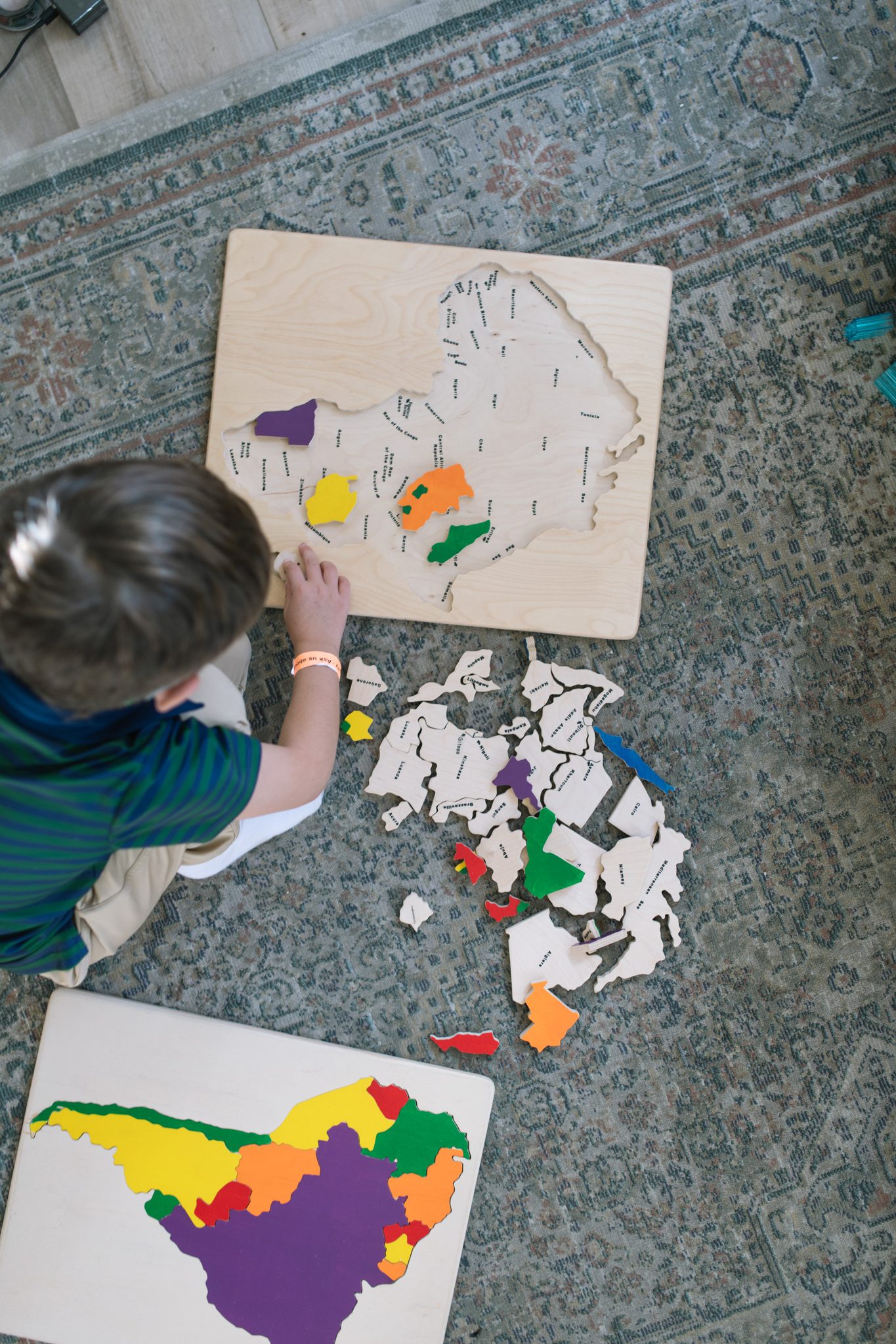
Westley is about to turn 8, and he is our geography and numbers kid. He loves maps, flags and capitals, along with populations and how big each country is. Our love affair with great toys started with the Melissa & Doug map puzzle that talks, so every time a piece is placed in it announces itself: “New Hampshire, capital Concord.” That’s the kind of toy that teaches without ever feeling like school. Truly, by the time he was three he could tell you all the states and capitals and I hadn’t formally taught him anything. That’s what this list of educational toys for 8 year olds is built around.
This post contains affiliate links, which means I may earn a small commission if you purchase through them at no extra cost to you.
Many of these live at our house right now (I’ll tell you which ones we own and which of these are recs from friends).
Four kids in, the biggest lesson I’ve learned about learning toys is that timing matters as much as the toy. We bought our Hape Quadrilla (engineering-forward) marble run when my oldest was 4, and it was too hard for him. This made it frustrating to play with and most of the learning was lost. At 6 and 7 he got much more into it, and now I think 8 is the perfect age for it.
Also, plenty of toys call themselves educational but what are they actually learning and are they fun enough that the kid really wants to play with them?
Quick Picks: The Best Educational Toys for 8 Year Olds by Budget
| Budget | Pick | Why |
|---|---|---|
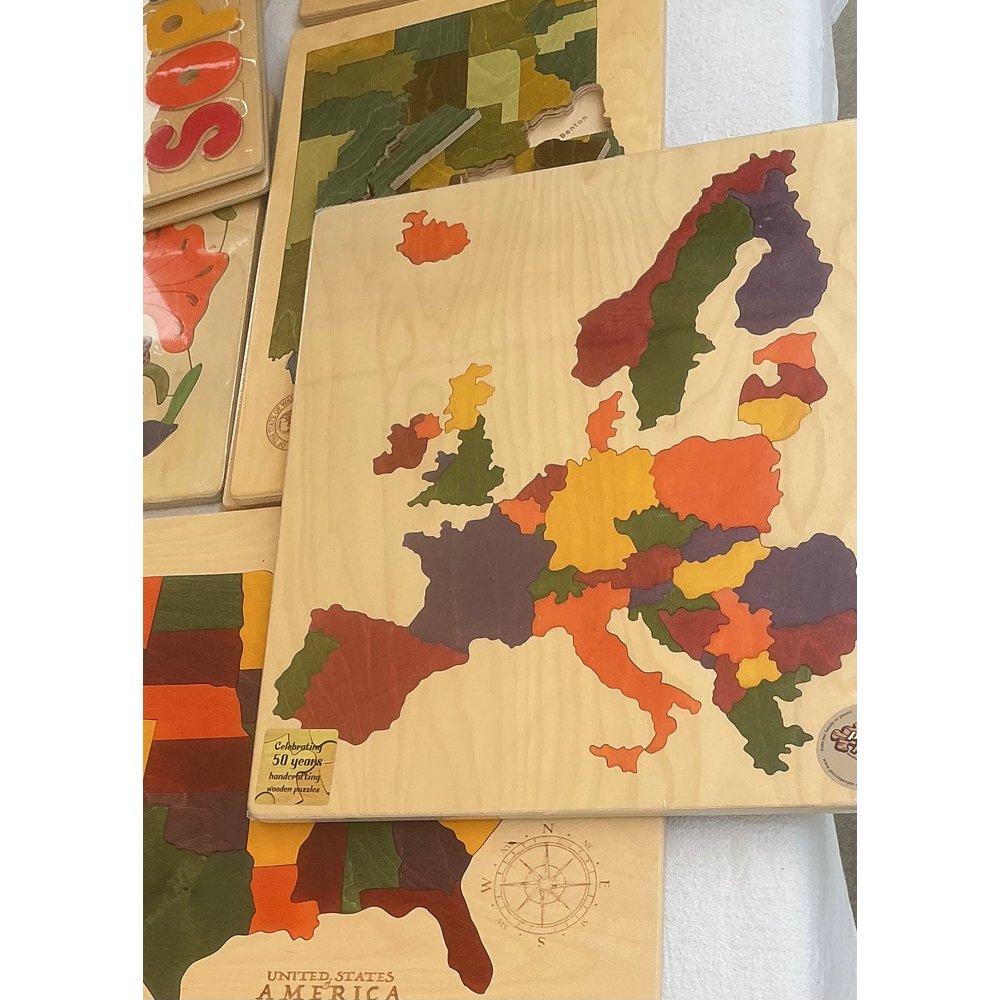
| ⭐ Favorite overall | Puzzle People wooden map puzzles (Europe about $90) | Our favorite, with one state or country per piece |
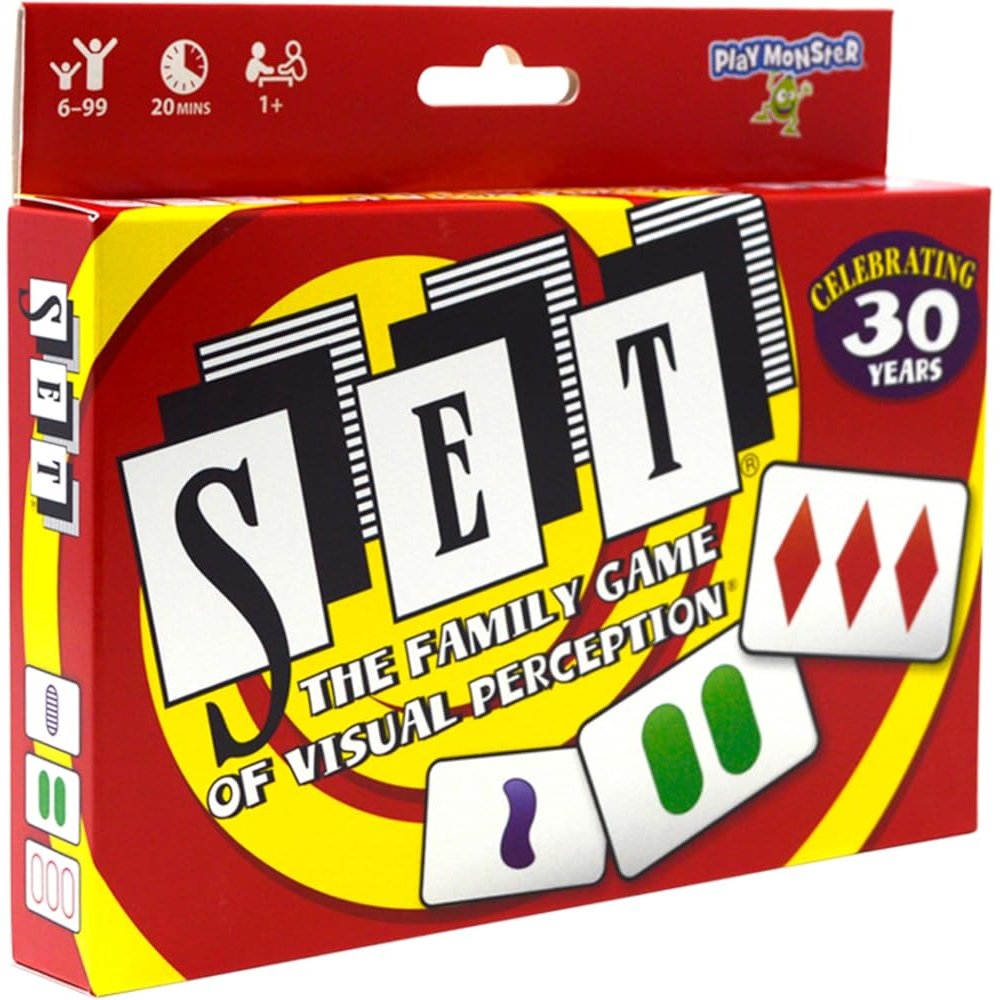
| Under $25 | SET (about $13) | One of our all-time favorite games, and pure visual logic |
| Under $25 | Flip 7 (about $8) | A fast adding game the whole family plays |
| Under $25 | Kanoodle Ultimate Champion (about $20) | A pocket logic puzzle kids race to solve |
| Under $25 | Gravity Maze (about $20) | A logic puzzle that ends in a marble run, and a Christmas hit at our house |
| Under $25 | Scrambled States of America (about $20) | A silly card game about state shapes and capitals |
| $25 to $60 | Melissa & Doug U.S.A. Sound Puzzle (about $35) | Says each state and its capital as the piece goes in |
| $25 to $60 | Imagimake Mapology foam maps (about $40) | USA, world and Europe maps in one box, and Westley loved it |
| $25 to $60 | GraviTrax Starter Set (about $60) | Marble runs they design themselves |
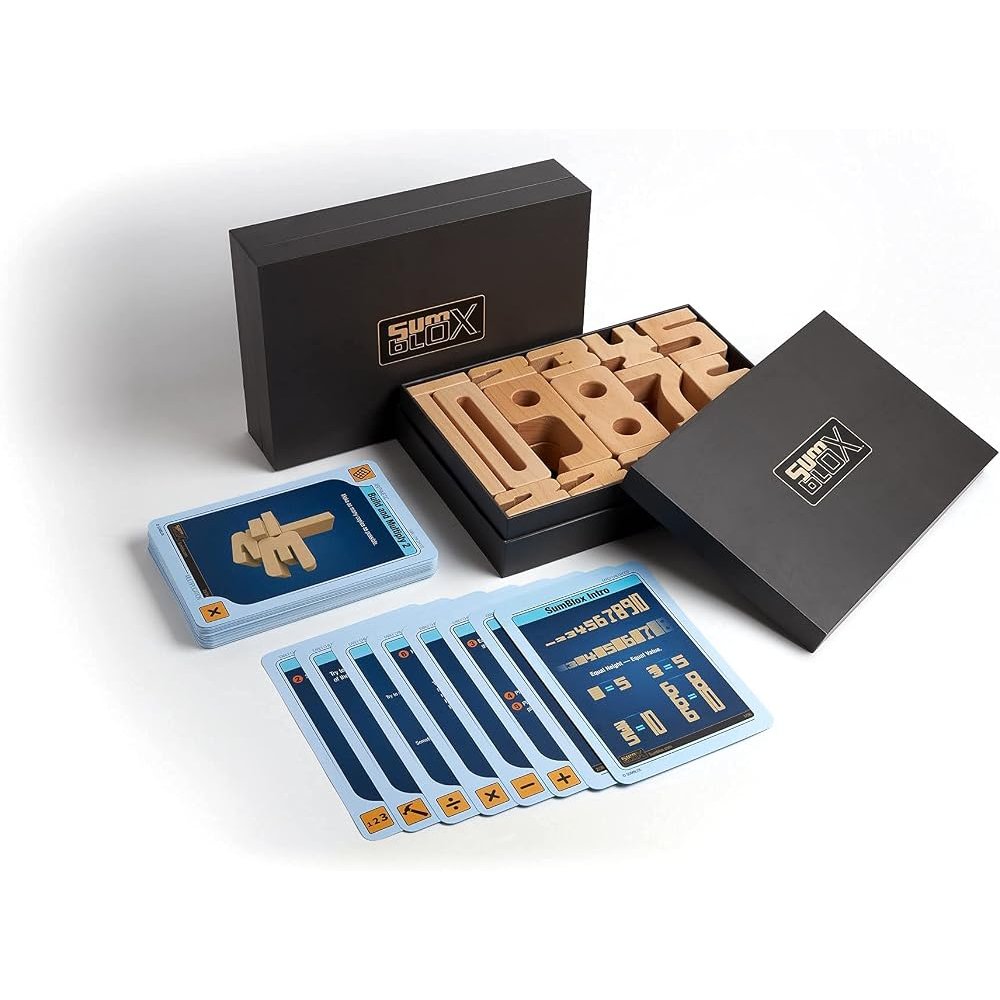
| **Splurge | SumBlox Original Basic Set (about $135) | Number blocks where the height matches the value, and a gift from my dad we still use and recommend all the time. |
| Splurge | Botley 2.0 Activity Set (about $100) | Screen-free coding, and Lincoln loved his |
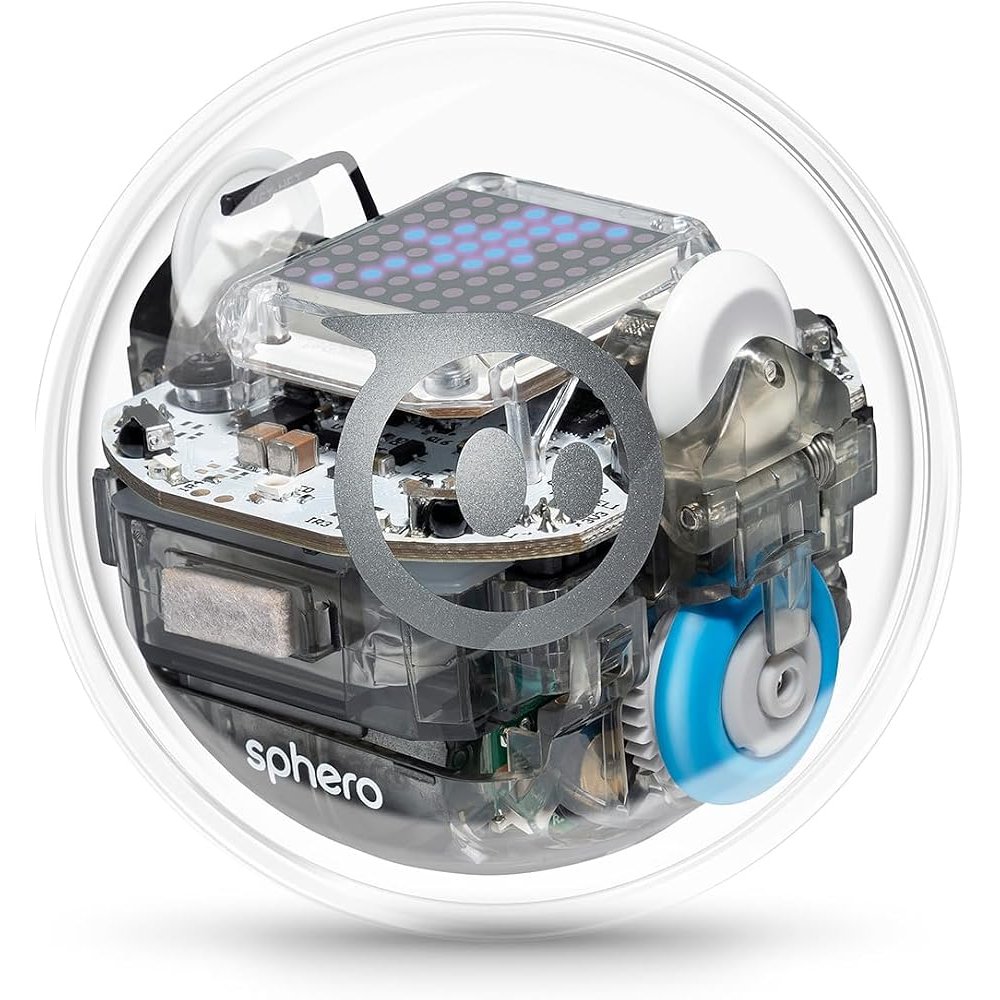
| Splurge | Sphero BOLT (about $179) | A coding robot that is still in use 11 months later |
| Splurge | ChompSaw (about $249) | A real cardboard saw that can’t cut skin |
How to Pick the Best Educational Toy for an 8 Year Old
Start with whatever they’re already into. Westley goes through strong phases that last a few weeks to a couple of months, then switches without warning, so I rotate toys and keep out whatever he’s playing with most. A toy that rides an obsession gets used. A toy that’s supposed to start one usually ends up in the closet.
Then check the age on the box in both directions. A few favorites here are labeled 5+, like Botley and the Melissa & Doug puzzle, and they still work for an 8 year old who is new to the topic, while Trekking the World says 10+ and is fine with a parent playing. We also don’t give phones or tablets as gifts, so almost everything here works without a screen. Sphero is the exception, since you code it from a phone or tablet, and the LeapFrog globe has its own built-in screen. Most of this list also works for 8 to 10 year olds, so it’s a good place to shop for siblings close in age.
Our Family Top 5 Educational Toys
These five are the learning toys I’d buy again without thinking, and most of them have been in our house for years.
1. ⭐ Favorite Overall: Puzzle People Wooden Map Puzzles
Best for: the geography kid who is ready for the real thing
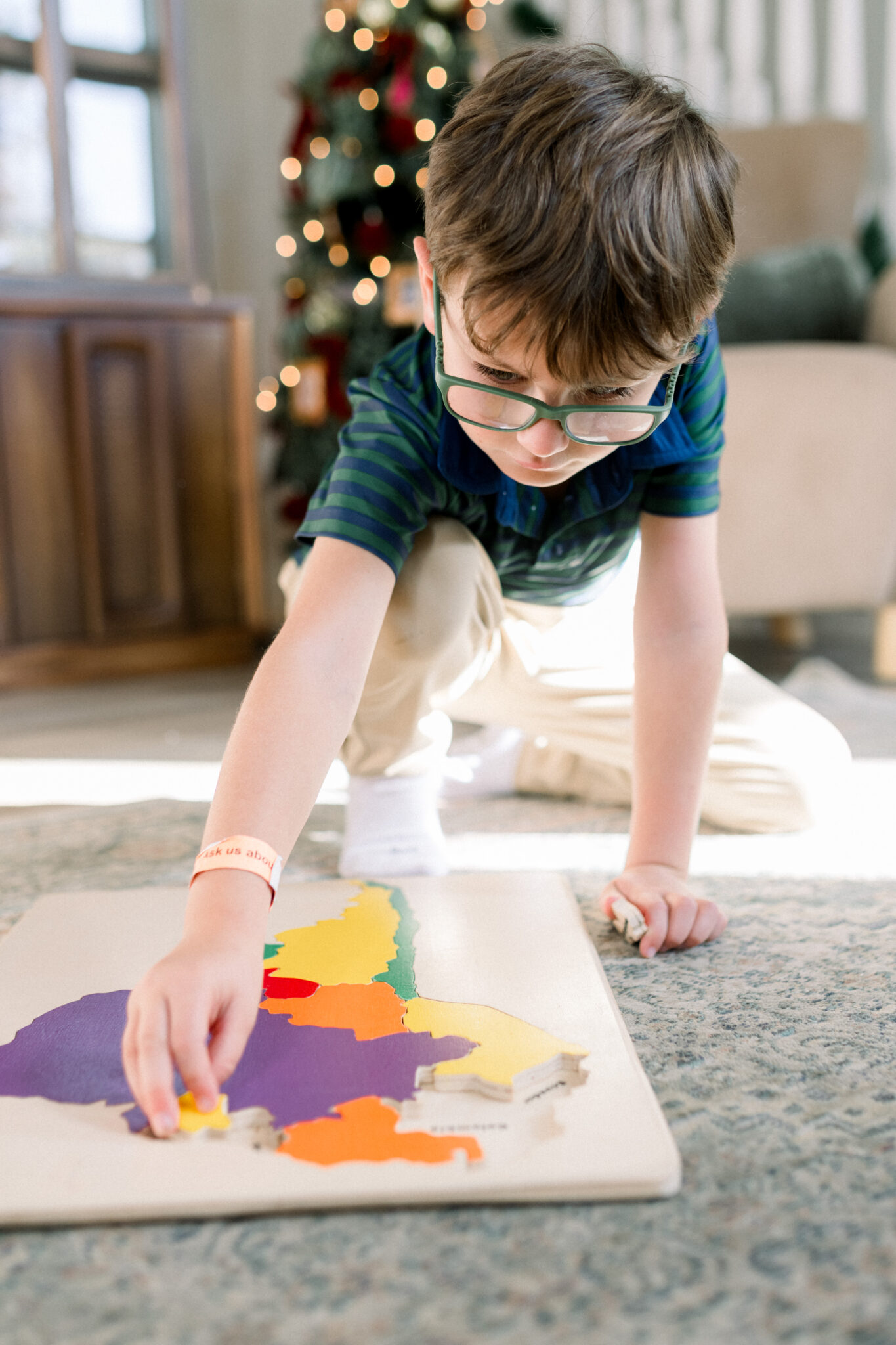
These are our favorite map puzzles. We have Europe, South America, the United States, Africa, the Middle East and the Mexican states. I found them on Etsy and then started ordering straight from the Puzzle People website. We tried a different brand’s wooden Asia puzzle, and the quality wasn’t close.
What it teaches: Every piece is a single state or country cut to its shape, so he learns the map with his hands and starts to see which countries are huge and which are tiny.
Why it’s still fun: They’re heirloom pieces and some of the best money we’ve spent on toys. I love doing it as much as Westley. The Europe map is about $90.
2. SumBlox Math Building Blocks
Best for: the kid who is building number sense, and every sibling after them
My dad gave these to us a few years ago, and they are genius. We’ve used them with multiple kids, and I can’t say enough good things about them.
What it teaches: Addition and subtraction you can see. They’re great-quality wooden blocks shaped like the numbers 1 through 10, and the height of each block matches its value. Stack two 3 blocks and they’re exactly as tall as a 6. Put a 1 on top of a 9 and it matches the 10. Line them up from 1 to 10 and every block is one step taller than the last.
Why it’s still fun: It feels more like a toy than a math lesson, so kids build with them for fun and the numbers sink in along the way. It also comes with a deck of cards with lots of other challenges, and the blocks work for multiplication and fractions too, so they last well past basic adding. We have the Original Basic Set, which is 76 full-size blocks and 80 activity cards for about $135. The Mini Basic Set has smaller blocks and runs about $80.
3. SET
Best for: the whole family, from 8 to grandparents
SET is one of our all-time favorite games.
What it teaches: Visual logic. Every card has a shape, color, number and shading, and players hunt for groups of three where each feature is either all the same or all different. Math educators call it a favorite.
Why it’s still fun: It’s a speed game, so everyone plays at once. A sharp adult wins every round at first, so play in teams until the kids catch up (and they will). It’s about $13.
4. Sphero BOLT
Best for: the kid ready for real coding
Lincoln got this for Christmas last year, and it’s still a hit 11 months later.
What it teaches: Real coding that grows with them. Kids start by drawing a path on the screen, move to block coding and can go all the way to typed code in the Sphero app.
Why it’s still fun: It’s a robot ball that rolls and lights up, so the code does something he can chase. You’ll need a phone or tablet to code it. It’s about $179.
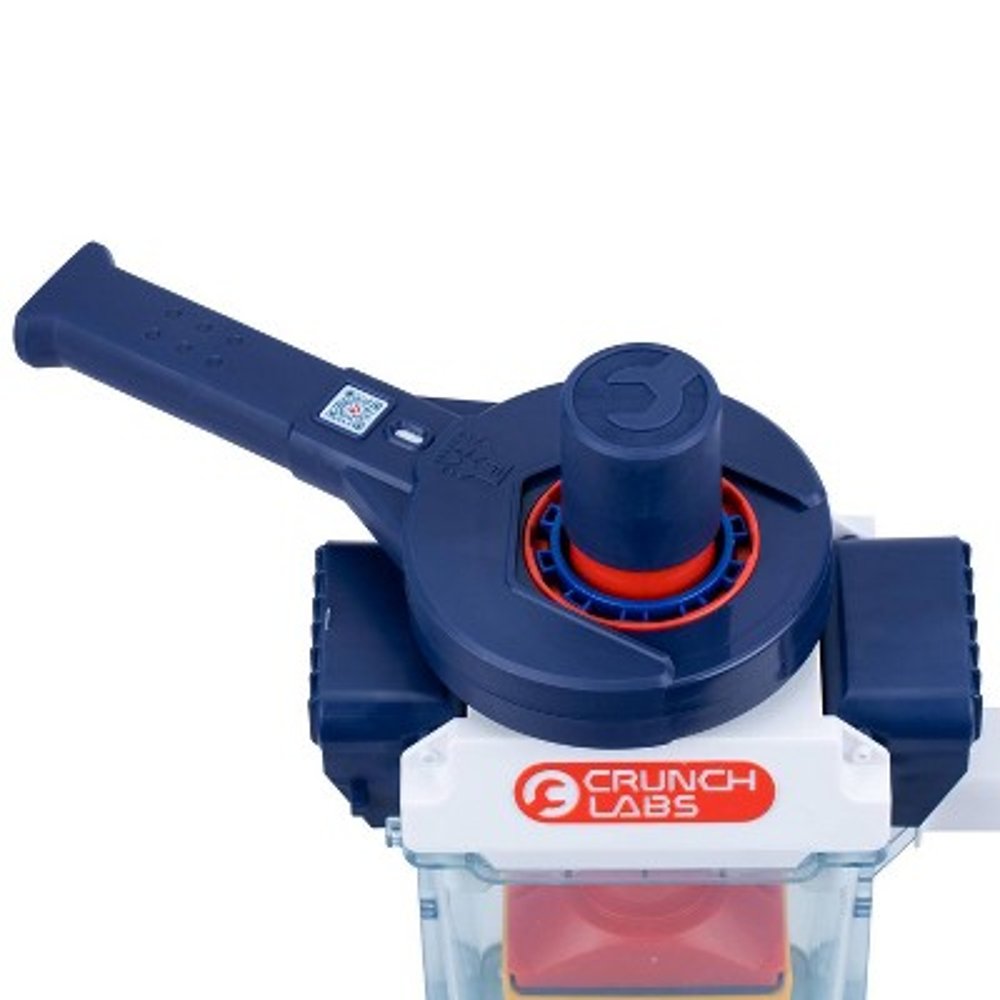
5. The Crunchinator, or Anything From Mark Rober
Best for: any Mark Rober fan
Anything from Mark Rober is a yes at our house. We get the CrunchLabs Build Box every month, and this is a one-off kit with no subscription.
What it teaches: Simple machines and engineering, taught the Mark Rober way, where you build it first and then figure out why it works.
Why it’s still fun: It crushes things, and kids power it themselves. It’s new this year, so there aren’t long-term reviews yet. It’s about $35.
Geography Toys for the Kid Who Loves Maps
This is Westley’s section. These are the geography toys we love at our house, plus the ones I’d buy him next. Our Puzzle People maps are #1 in the top 5 above.
Imagimake Mapology USA & World Map Puzzle
Best for: the kid who wants to know where every state and country goes
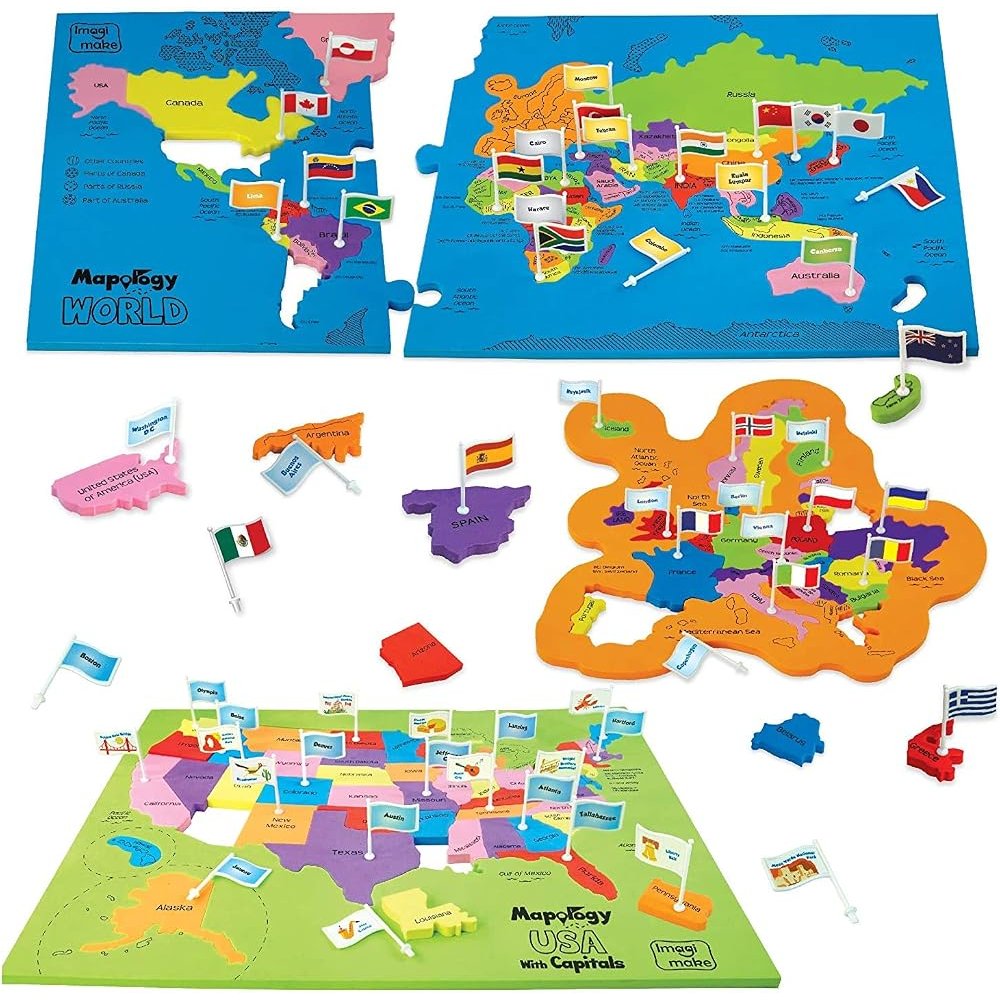
Westley loved this one. It’s a box of foam map puzzles with a USA map, a world map and a Europe map, 125 pieces in all, each one cut to its real shape.
What it teaches: Where everything sits and what borders what. The flag stickers add a second layer: each state gets its capital on one side and a fun fact on the other, and each country gets its flag and capital.
Why it’s still fun: The soft foam and bright colors are fun and Westley loves being able to stick the flags into the countries. Know that you stick on the flags and capitals stickers onto the sticks yourself, which takes a while, but Westley could do by himself and liked. It’s about $40.
Melissa & Doug U.S.A. Sound Puzzle
Best for: a kid just getting into states and capitals
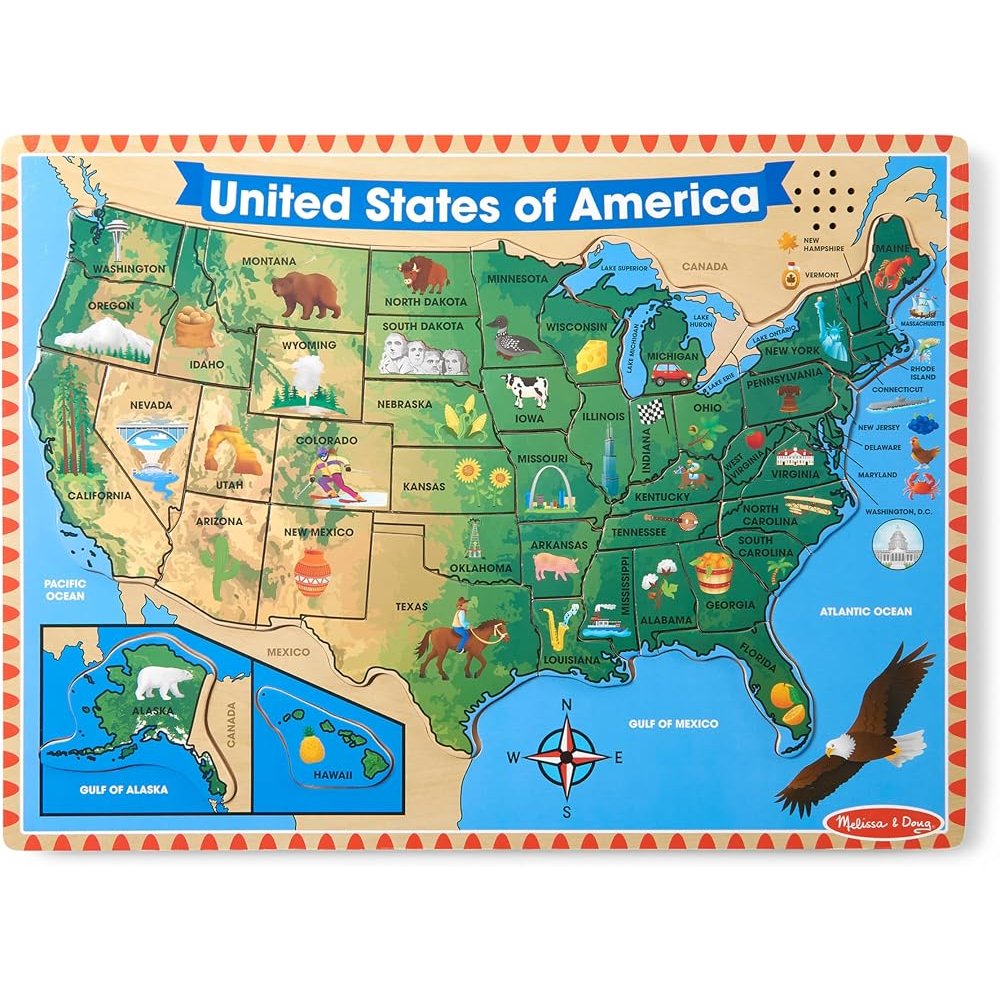
We have this one and think every US kid who has to learn states and capitals should own it.
What it teaches: State shapes and capitals. Each of the 40 wooden pieces says its name and capital as it clicks in, so he hears the answer the second he gets it right.
Why it’s still fun: Kids race to finish the whole country, and the voice makes every piece feel like a small win. It’s labeled 5+, so it’s best for an 8 year old who is new to states (or a 5th grader who is studying for his states test). Takes 2 AAA batteries. It’s about $35.
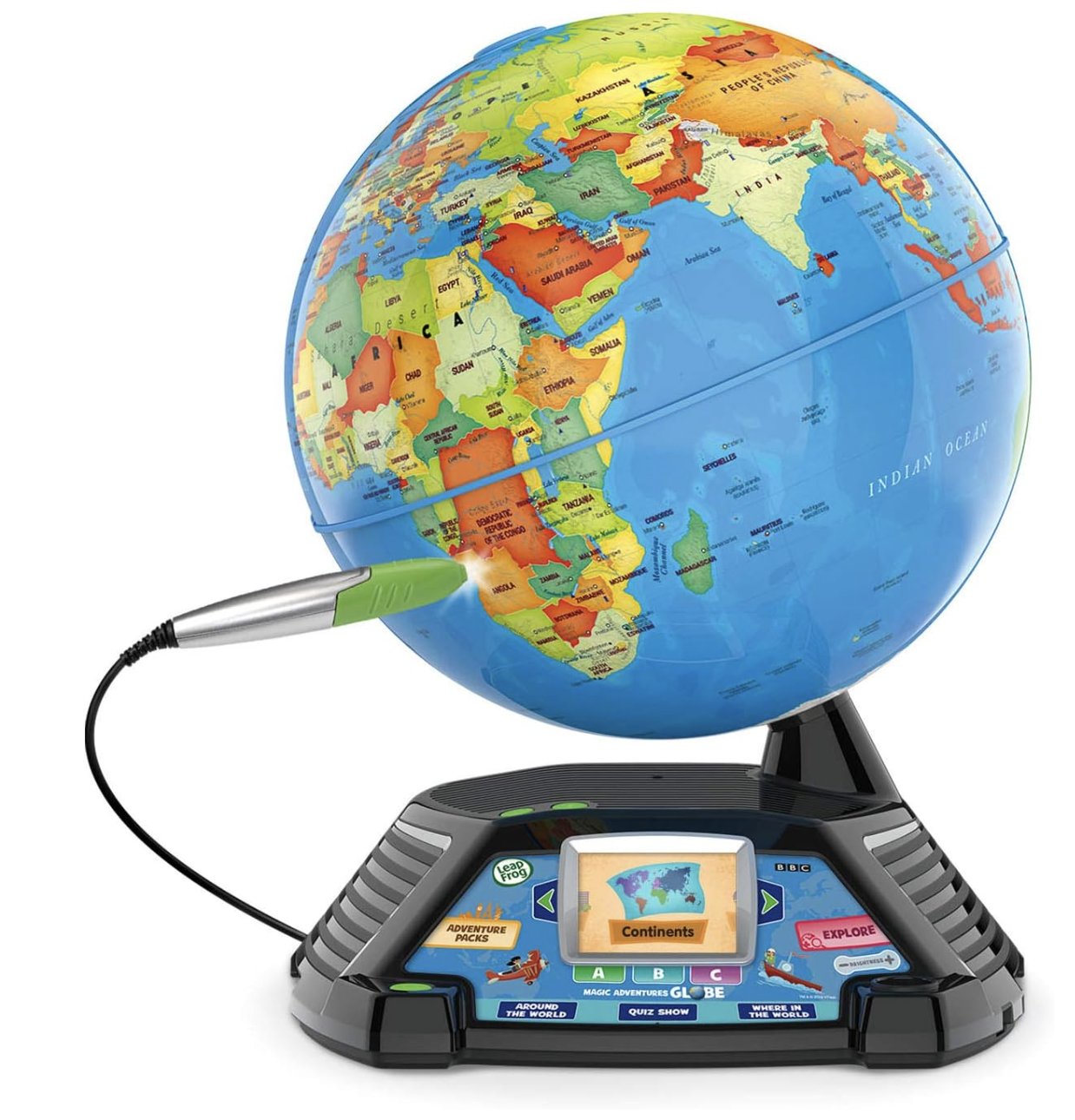
LeapFrog Magic Adventures Globe
Best for: the kid who wants the story behind every country
We also love our LeapFrog globe. It’s a real globe with a stylus and its own built-in screen, so there’s no tablet to pair it with.
What it teaches: Countries, capitals, animals and cultures. Tap any spot with the stylus and the screen plays short video clips and facts about that place.
Why it’s still fun: It feels like a mini documentary he controls, and the quiz games give him something to beat once he knows the basics. It’s labeled 5 to 9, but our 4 year old and 11 year old still use it occasionally. It’s about $70.
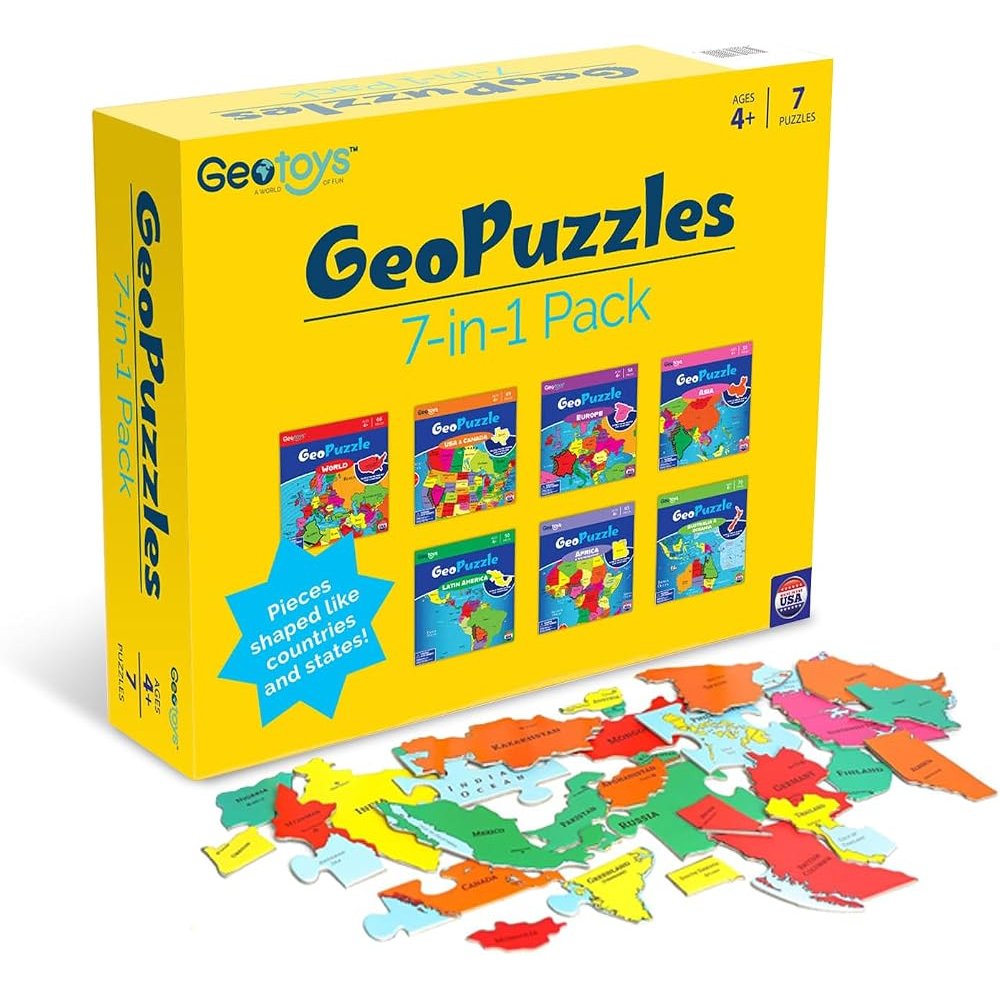
GeoPuzzles Boxed Set
Best for: the kid who wants to work through every continent
This pick comes from homeschool families, who report their kids coming back to these for years.
What it teaches: Every piece is a country, with a puzzle for each part of the world in one box, so kids learn the countries one region at a time.
Why it’s still fun: Kids can finish a region in one sitting, which makes them want to do the next one. One parent found the world puzzle overwhelming because the small countries are tiny, so a single continent, about $15 to $20, is a good place to start. It’s about $80.
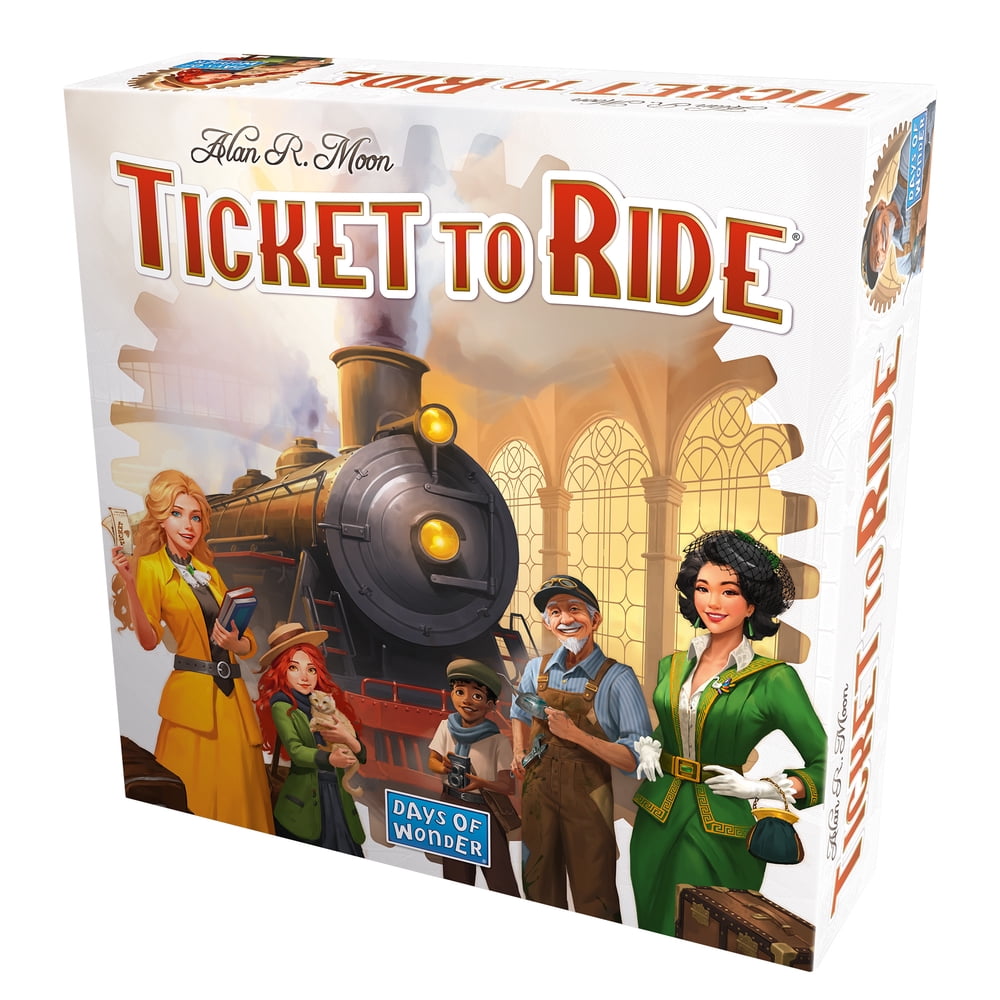
Ticket to Ride
Best for: family game night with the whole crew
We play this with my three older kids, who are 7, 10 and 11, and everyone loves it.
What it teaches: US geography without a single quiz. Kids claim train routes between real cities, so they learn which cities connect and that Denver is nowhere near Miami.
Why it’s still fun: It’s a real strategy game, so the adults want to play too. It was also the family game parents named most often in the forums I read. Skip First Journey at this age and just buy the regular one. You can play with fewer trains if you want a shorter game. It’s about $40 at Walmart.
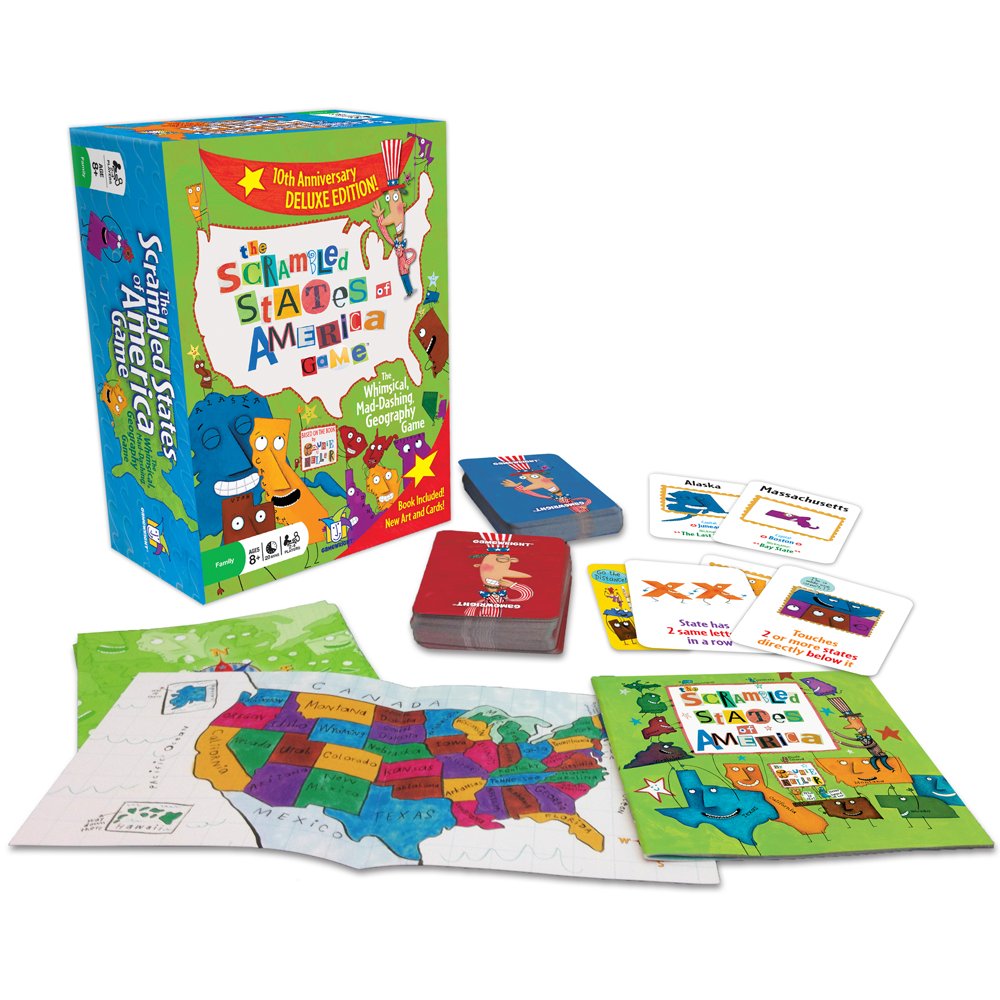
Scrambled States of America Game
Best for: quick weeknight games
This card game is built on the picture book where the states get bored and decide to swap places. The deluxe edition (the one in print now) comes with a copy of the book.
What it teaches: State shapes, neighbors and capitals, at a fast and silly pace.
Why it’s still fun: Rounds are short so you can play after dinner on a school night. It’s US only, so a kid who already knows every state may tire of it. It’s about $20.
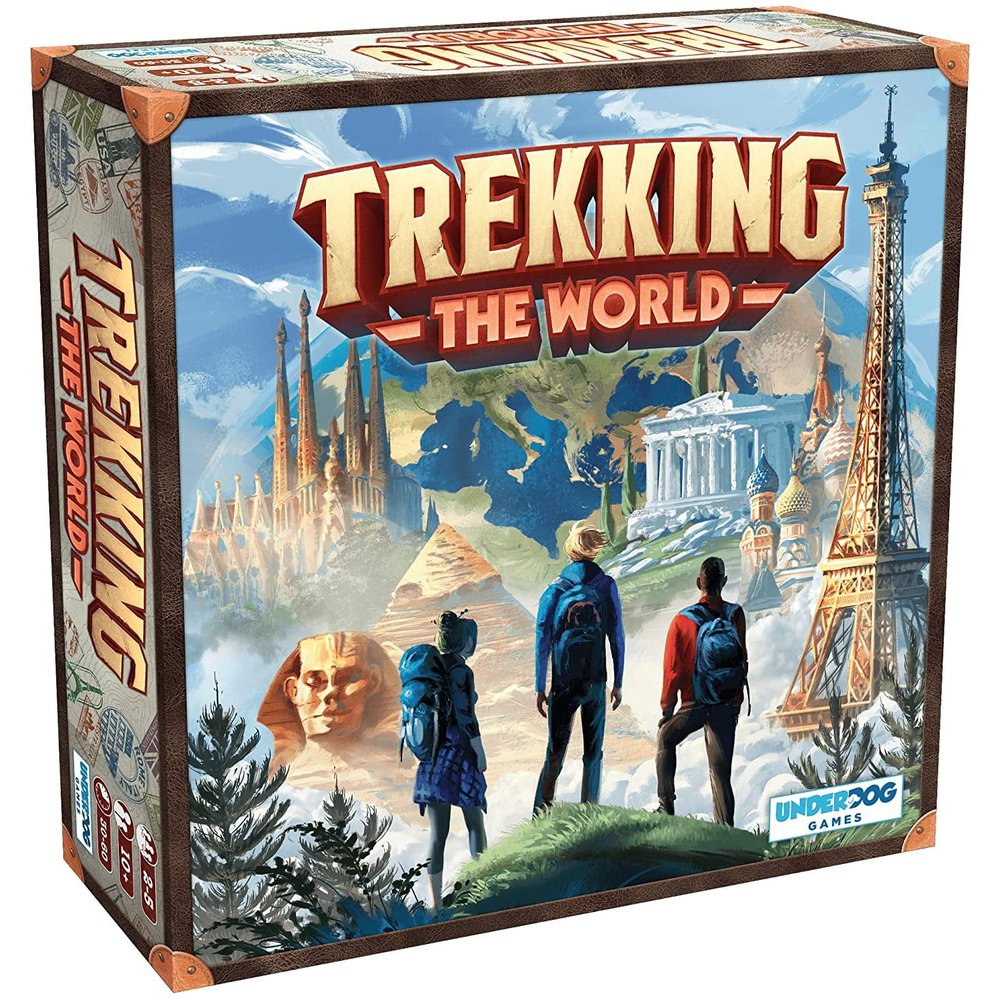
Trekking the World
Best for: the kid who wants to travel the whole map
A panel of kid testers loved this board game and came away knowing new places.
What it teaches: Where famous landmarks are and how far apart they sit. Players travel between real places around the world, so the map starts to mean something.
Why it’s still fun: You collect souvenirs and race to destinations, so it plays like an adventure. The box says 10+, but with a parent playing, an 8 year old who loves maps does fine. It’s about $40 at Target.
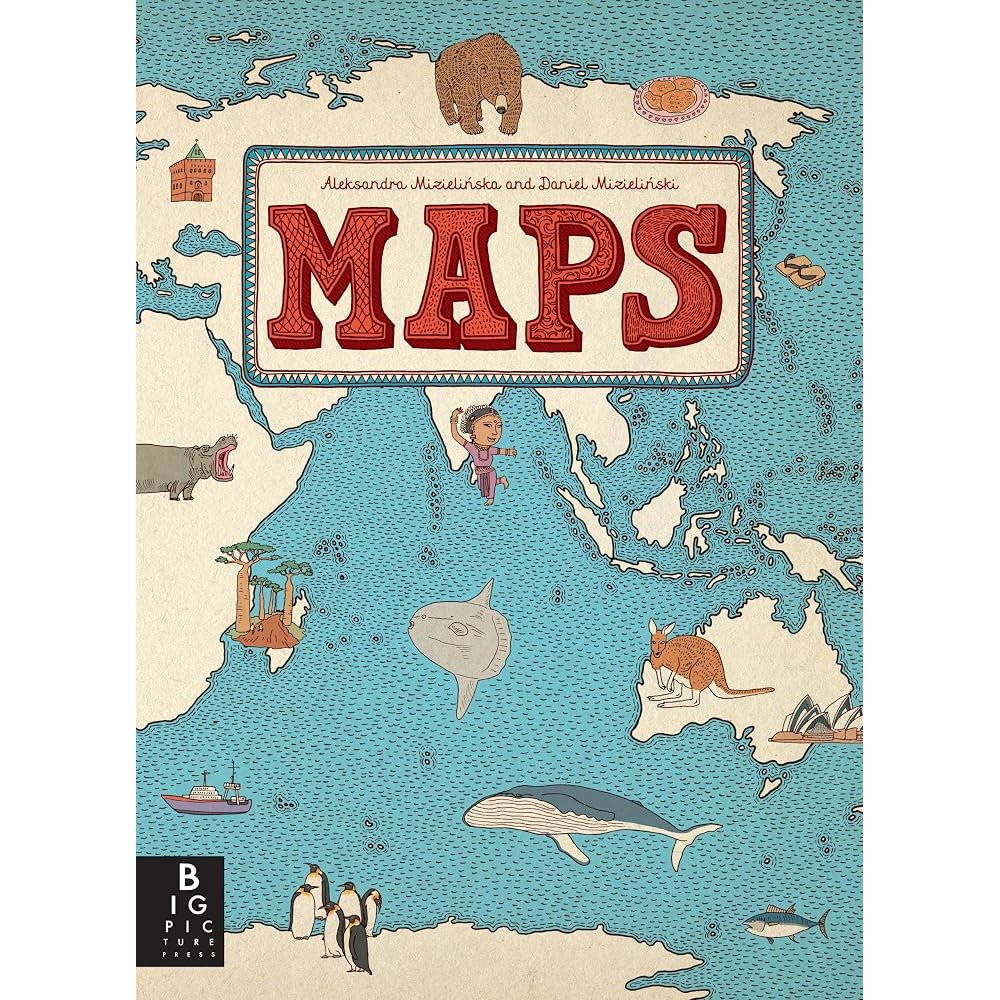
Maps, by Aleksandra and Daniel Mizielinski
Best for: the kid who pores over every detail
We own this book, and it’s so pretty to look at.
What it teaches: Huge illustrated country maps packed with foods, animals, landmarks and famous people, so kids learn what each place is like along with where it is.
Why it’s still fun: Kids pore over it like a Where’s Waldo book. It came out in 2013, so a couple of country names are out of date. It’s about $21.
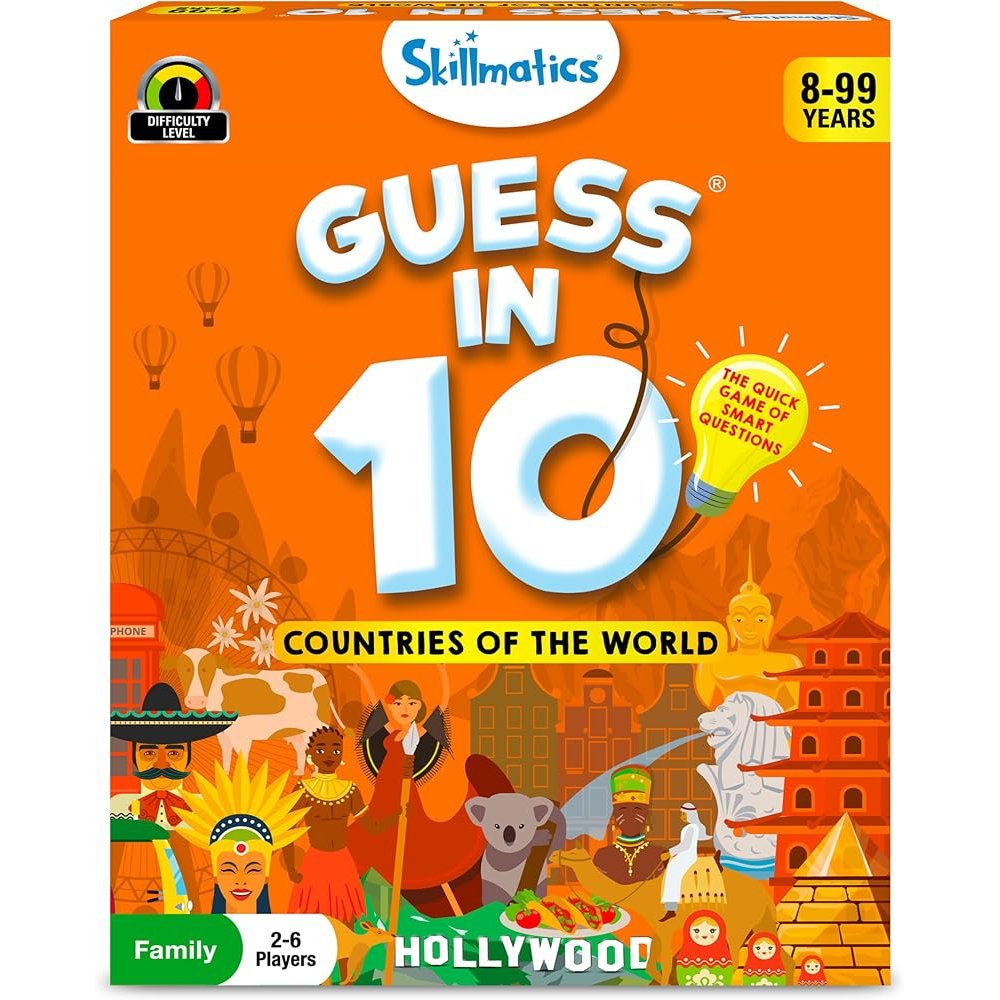
Guess in 10: Countries of the World
Best for: a geography fan with siblings who are not
We love this one for family game night or just killing time in the car (also great to pull out in a waiting room or at the dinner table if you want to keep them engaged).
What it teaches: Thinking in clues. Players get up to 10 questions to guess a country, so kids learn to narrow it down, starting with the continent.
Why it’s still fun: A geography fan gets to show off, and siblings who know less can still play. It also fits in a stocking. It’s about $15. If you don’t have a geography lover, there are a few other versions of Guess in 10 that are also fun!
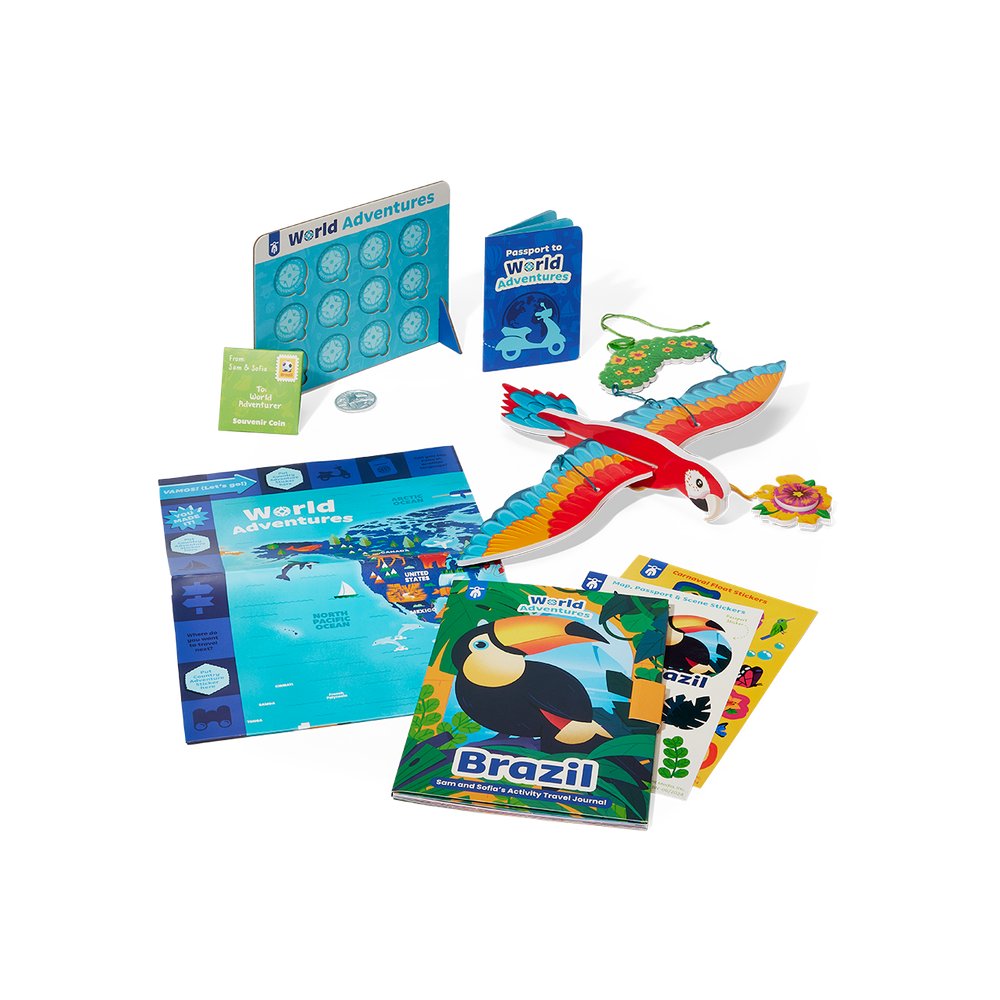
Little Passports World Adventures
Best for: the kid who loves getting mail
We’ve done Little Passports and it was fun!
What it teaches: A new country every month, plus a souvenir and activities about that place.
Why it’s still fun: It’s mail with his name on it, and it’s made for ages 6 to 10, so 8 is right in the middle. It’s about $25 a month.
For the Kid Who Builds Everything
Building toys teach physics and planning without anyone calling it that. These are the ones that hold up past the first build.
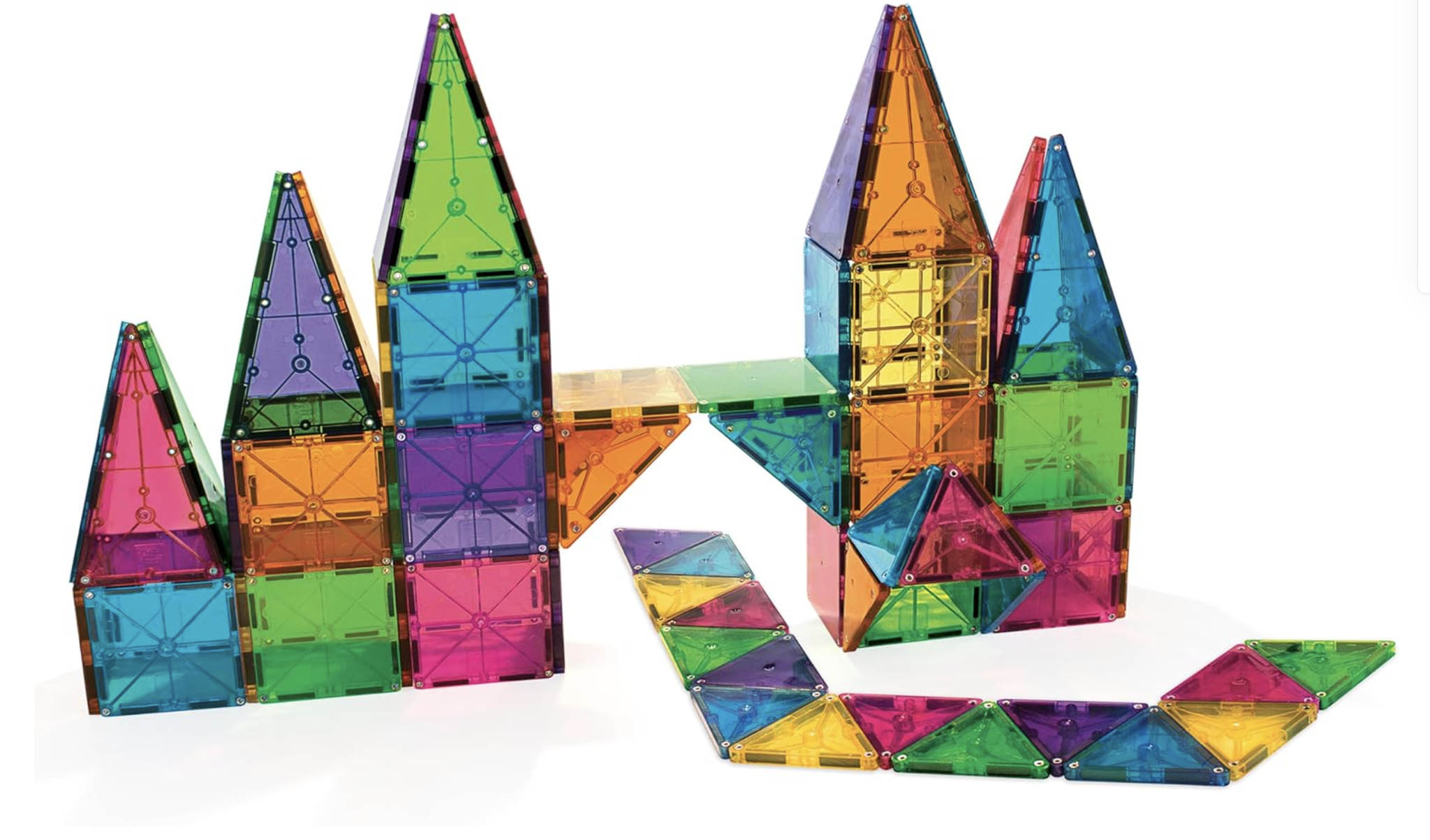
Magna-Tiles
Best for: every kid, still, at 8
We got our first set for Lincoln’s second birthday, and they’re one of the best toys we’ve ever invested in a full decade later. Four kids later, they’re still huge at our house.
What it teaches: Geometry and engineering. Kids figure out which shapes make a sturdy wall and how to brace a tower so it doesn’t fall.
Why it’s still fun: There’s no wrong way to build, so an 8 year old can go as big and complicated as they want. If a family already owns a set, a themed add-on makes the better gift, and skip the unbranded lookalikes. The link goes to the classic 100-piece set.
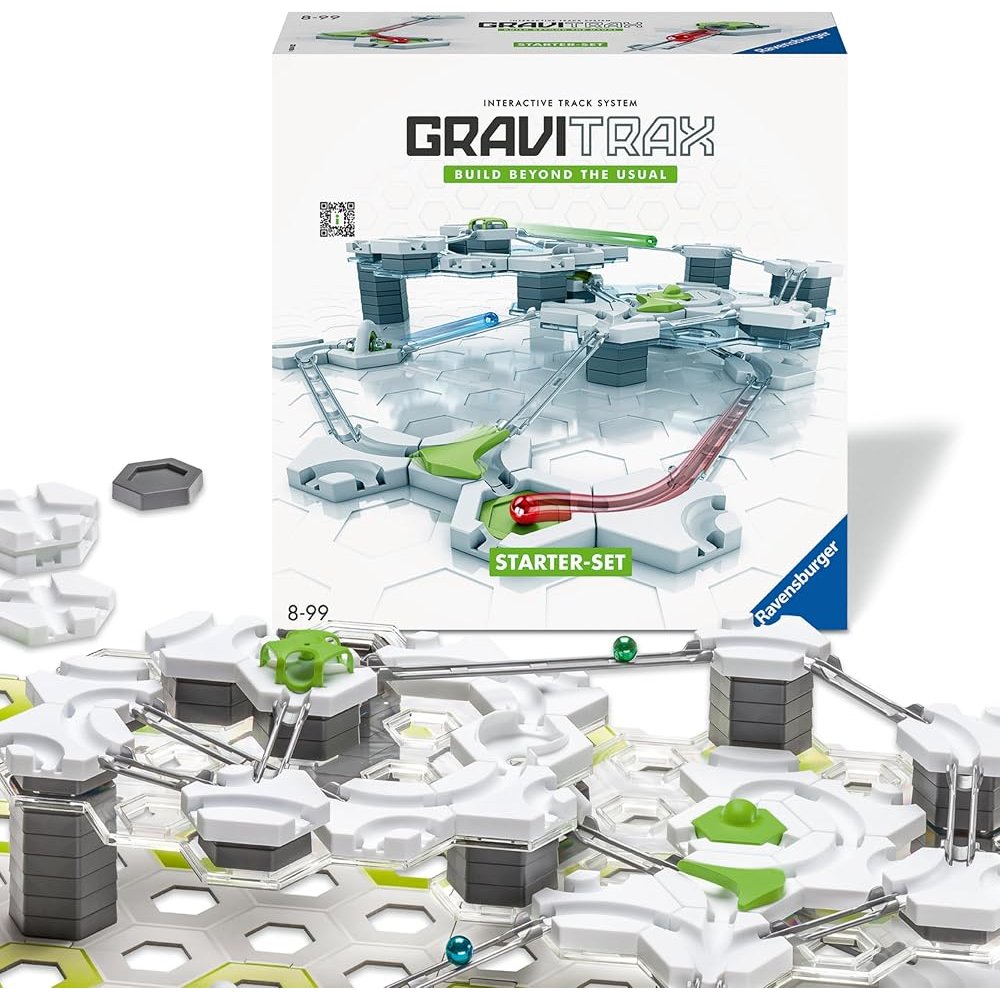
GraviTrax Starter Set
Best for: the kid who wants to design, not follow directions
Parents say 8 to 12 is the age GraviTrax really clicks.
What it teaches: Gravity and momentum. Kids design their own marble runs on a base of hex tiles and adjust the heights to control the speed.
Why it’s still fun: The marble either makes it or it doesn’t, and fixing the run is the fun part. It’s about $60.
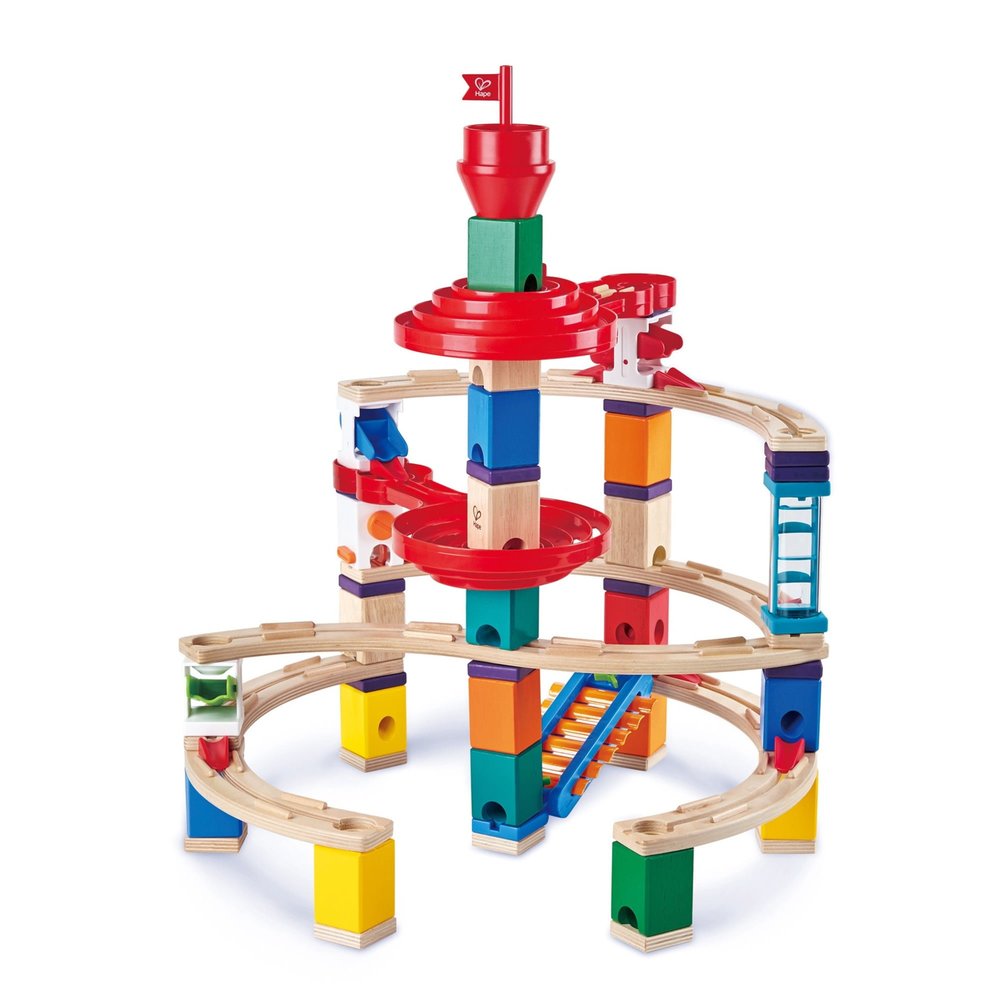
Hape Quadrilla Marble Run
Best for: the kid ready to move past plastic marble runs
This is our favorite marble run for older kids. We got it for Christmas when my oldest was 4, which was too young, and he got much more into it at 6 and 7. I think 8 is the perfect age. We also have a plastic marble run that’s easier for the little kids, but the Quadrilla is the one I’d give an 8 year old.
What it teaches: Each colored transition piece functions differently so you get some engineering in the building (you can follow instructions or build your own).
Why it’s still fun: Every build is different, and the clatter when a long run finally works is so rewarding.
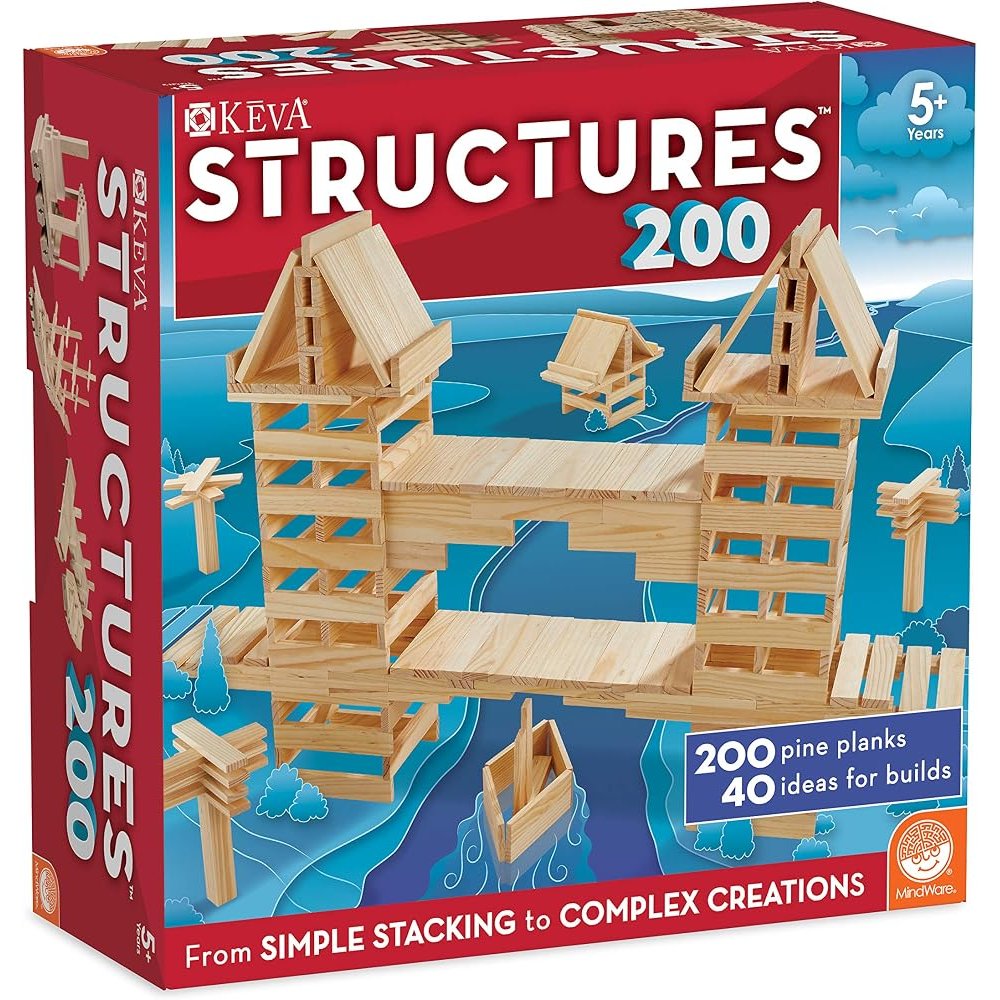
KEVA Structures 200 Plank Set
Best for: big, open-ended builds on the floor
Teachers and engineers love these planks, mostly because there are no instructions to finish.
What it teaches: Balance and structure. It’s 200 identical wooden planks with no glue or connectors, so kids learn what holds a tower up by watching what knocks it down.
Why it’s still fun: Towers get as tall as the kid, and knocking them over is half the fun. You’ll want a hard floor, and the crashes are loud. It’s about $60.
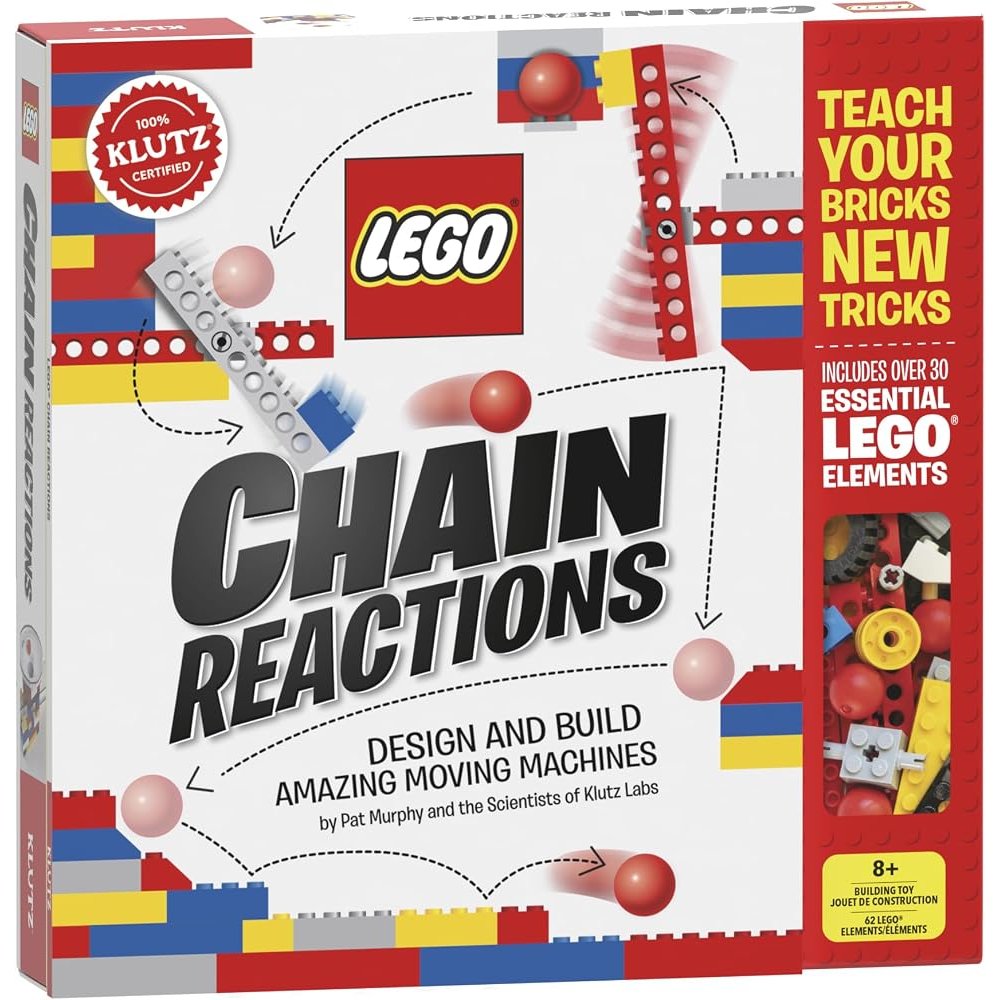
Klutz LEGO Chain Reactions
Best for: the LEGO kid who has built every set in the house
The Klutz LEGO kits are steady best sellers in Amazon’s STEM toys, and this is the one I’d pick for an 8 year old.
What it teaches: How one motion sets off the next. Kids build Rube Goldberg machines out of LEGO pieces and paper parts.
Why it’s still fun: The best moment is watching a whole chain go off for the first time. If you already have a LEGO kid, this gives all those bricks a new job. It’s about $28.
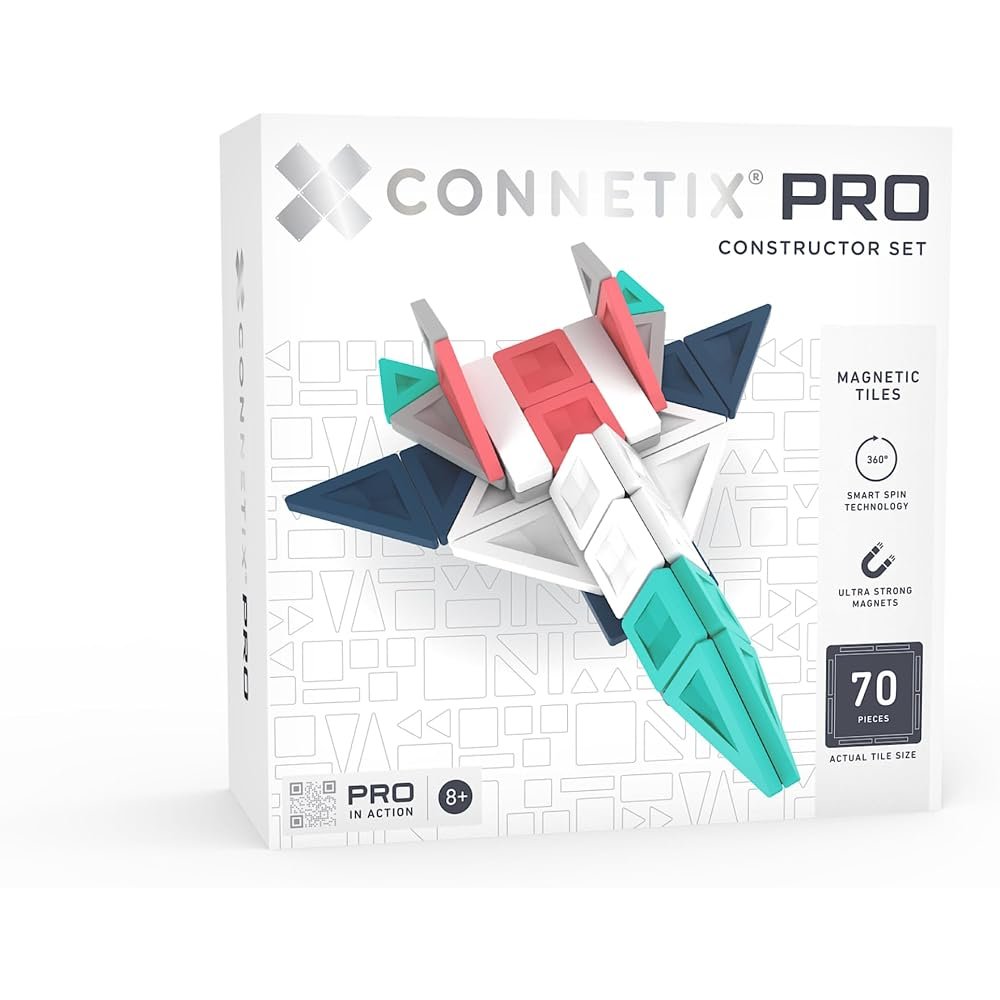
Connetix 70-Piece PRO Constructor
Best for: the magnet tile kid who wants bigger builds
Good Housekeeping named this its 2025 big kids winner, and it was a 2026 Toy of the Year finalist.
What it teaches: Bridges, arches and ramps. The PRO set adds long pieces and curved arches, so kids can test how far a span reaches before it sags.
Why it’s still fun: Builds get bigger and more ambitious than a basic tile set allows. If you already own Magna-Tiles like we do, know that this is a second tile brand rather than something new. It’s about $79.
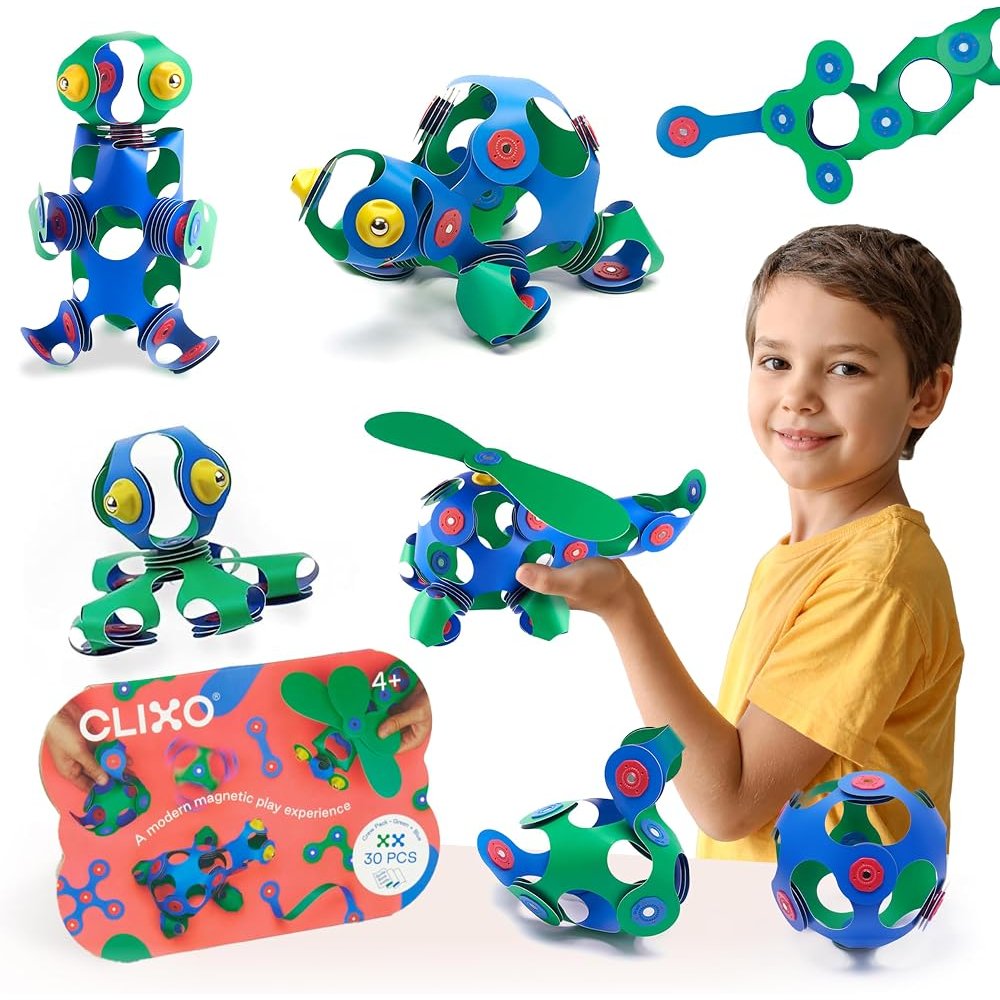
Clixo Crew 30-Piece Pack
Best for: the kid who likes to invent their own designs
We don’t have these at our house but our friend’s 8 year old builds everything with Clixo!
What it teaches: Turning flat shapes into 3D ones. The flexible magnetic pieces fold and bend, so kids work out how to make an animal, a robot or something to wear.
Why it’s still fun: There’s no right answer, and the pieces snap together in seconds. It’s about $40.
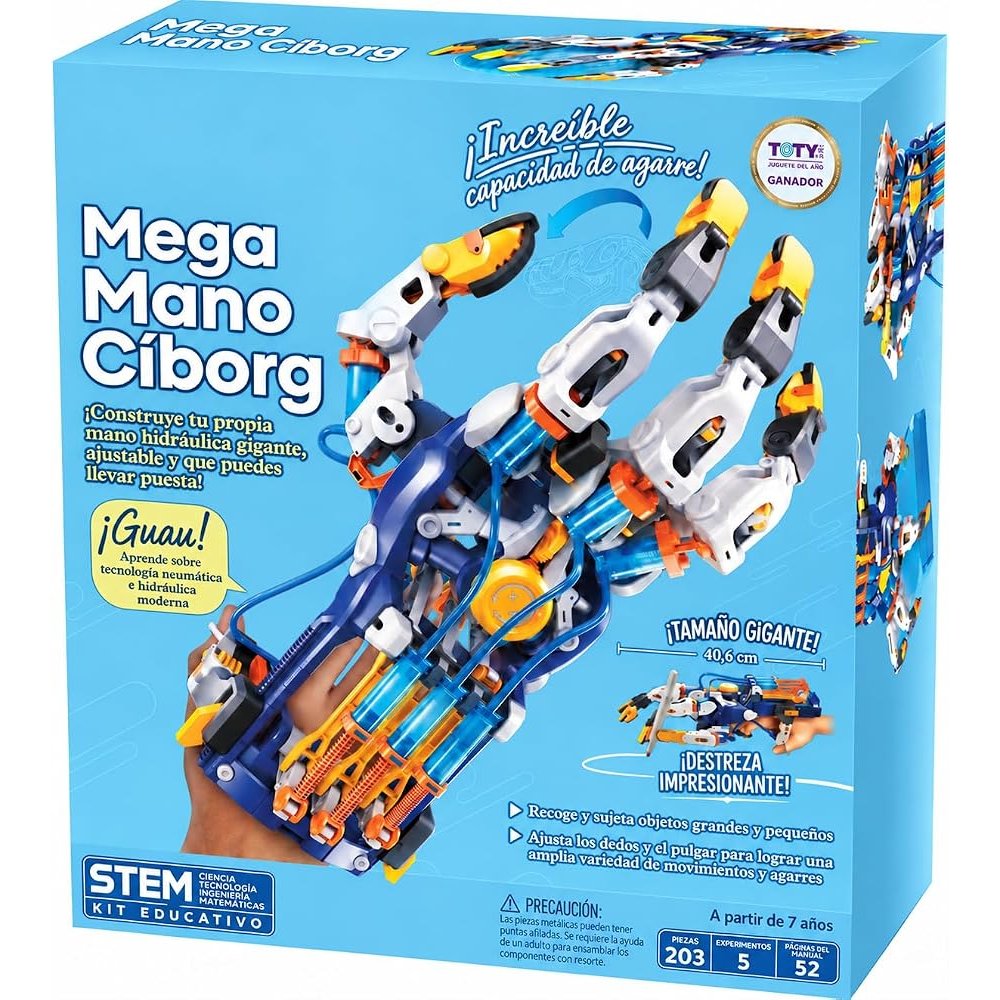
Thames & Kosmos Mega Cyborg Hand
Best for: a smaller gift for the kid who loves gadgets
This kit is a Walmart best seller in science kits.
What it teaches: Hydraulics. Kids build a hand that grabs things with water-filled syringes, so they see how pressure moves through a liquid.
Why it’s still fun: You wear it and it picks things up, which every 8 year old wants to try on a sibling. It’s a one-time build, so it’s better as a smaller gift than the main one. It’s about $30 at Walmart.
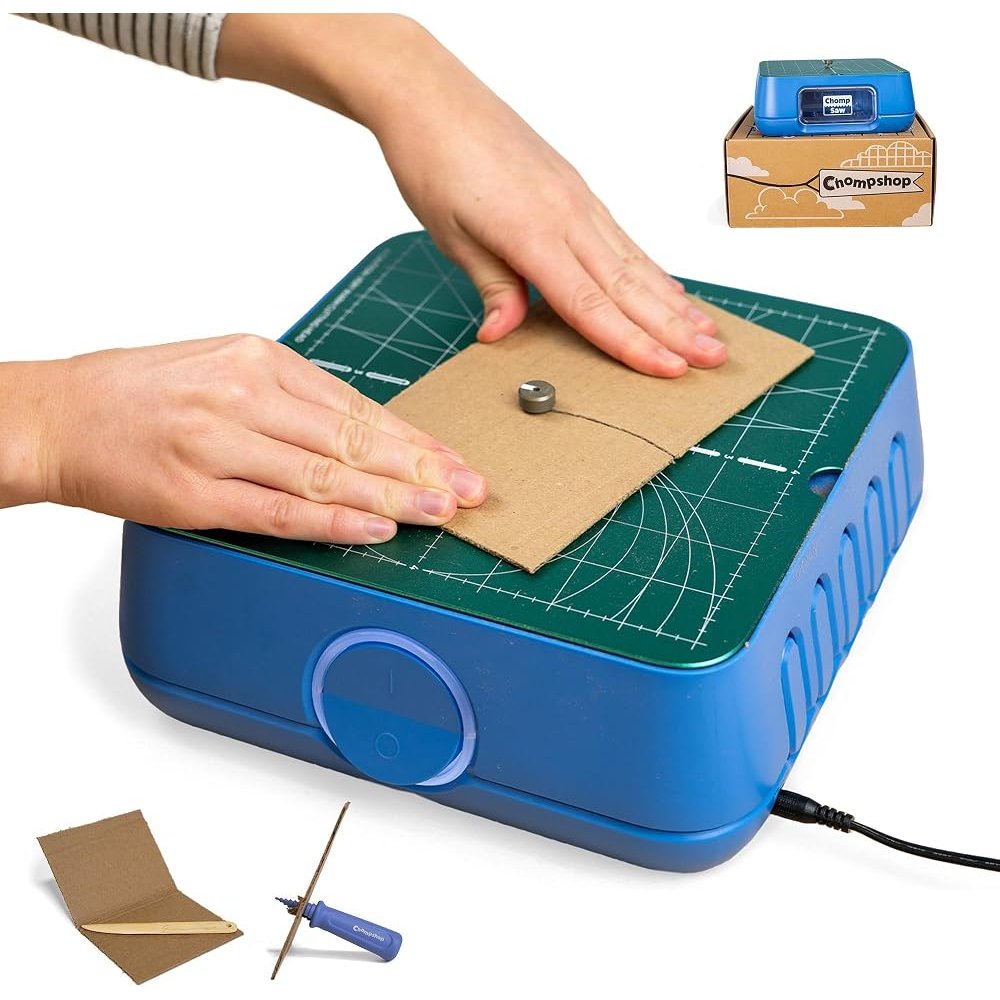
ChompSaw
Best for: the kid who turns every Amazon box into something
ChompSaw won Creative Toy of the Year at the 2026 Toy of the Year awards.
What it teaches: Real tool skills. It’s a power saw made for cardboard, so kids design and cut out their own projects.
Why it’s still fun: It’s a real power tool that can’t cut skin, which is exactly why kids feel so grown up using it. It’s a splurge, so I’d save it for a kid who already lives in the recycling bin. It’s about $249.
Science Kits for the Kid Who Asks Why
Science gifts at this age work best when the payoff is fast and real. These are the ones parents say actually get used.
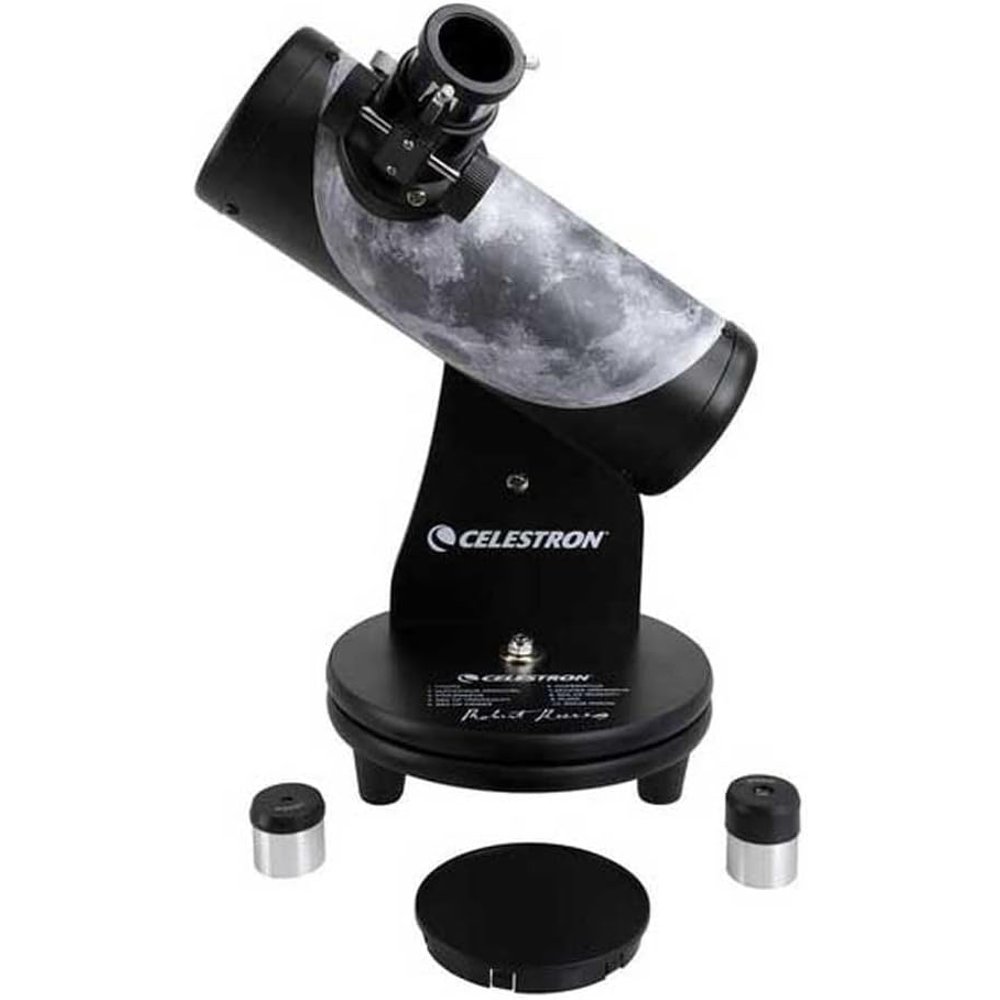
Celestron FirstScope 76 Telescope
Best for: backyard astronomy
This is the starter telescope astronomers recommend most often for kids.
What it teaches: Astronomy, with a real view on the very first night. It’s a tabletop telescope a kid can aim himself.
Why it’s still fun: The Moon’s craters show up clearly, and on a clear night you can see Saturn’s rings, which is a moment kids remember. It needs a sturdy table outside. It’s about $70.
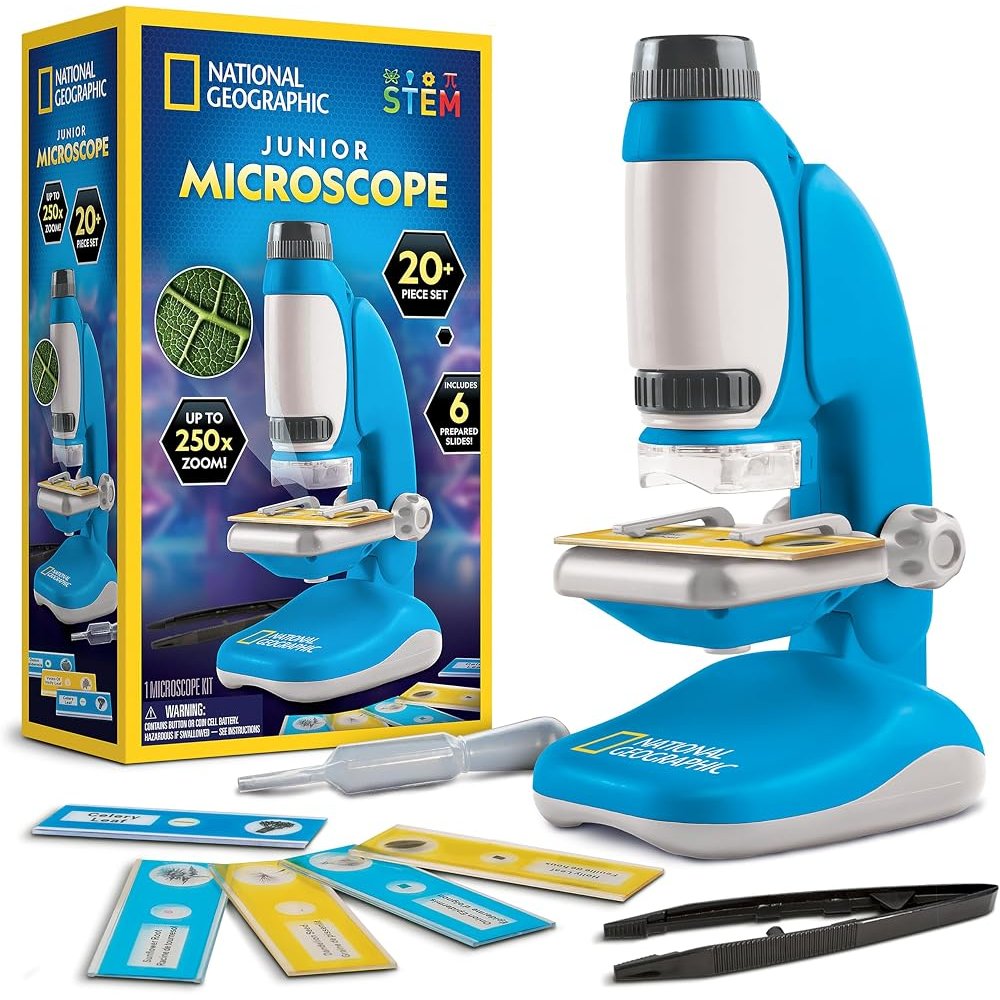
National Geographic Junior Microscope
Best for: the bug and leaf collector
We loved the Talking Microscope when my kids were younger, and a real microscope is the next step at 8.
What it teaches: Biology up close. Bugs, leaves, sand and hair all look completely different under a lens.
Why it’s still fun: Kids go hunting around the yard for things to look at. Skip any kids’ microscope that brags about 1200x, because specialists say the image at that power is a blurry blob. It’s about $30.
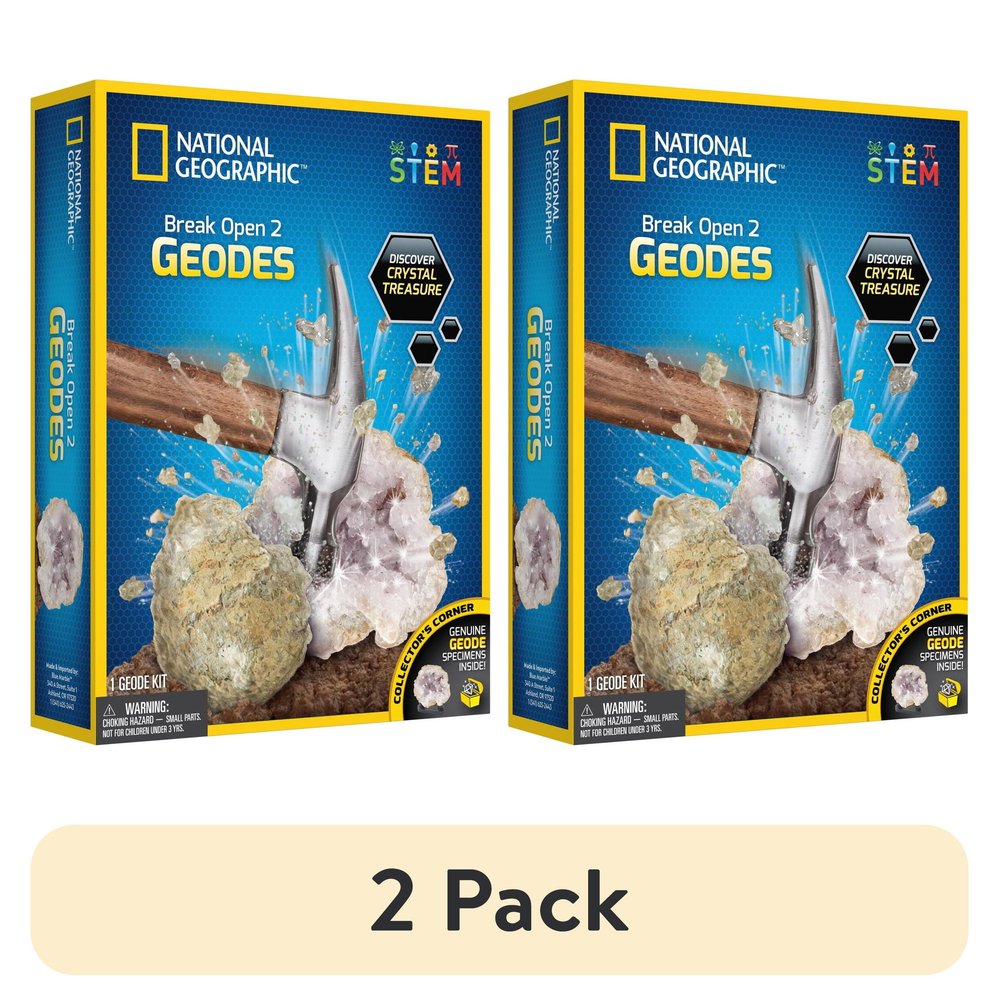
National Geographic Break Open Geodes
Best for: rock collectors
Rocks are a common obsession around 7 to 9, and geodes are the fastest payoff on this list. We’ve had this one and its fun (and a good gift).
What it teaches: Geology. Kids crack open a plain-looking rock to find crystals inside and learn how they formed.
Why it’s still fun: Cracking them is the fun part. Goggles are included, and the box says 8+, so do the hammering together outside. It’s one-and-done, so it works best as a smaller gift. The 2-pack is about $30 at Walmart.
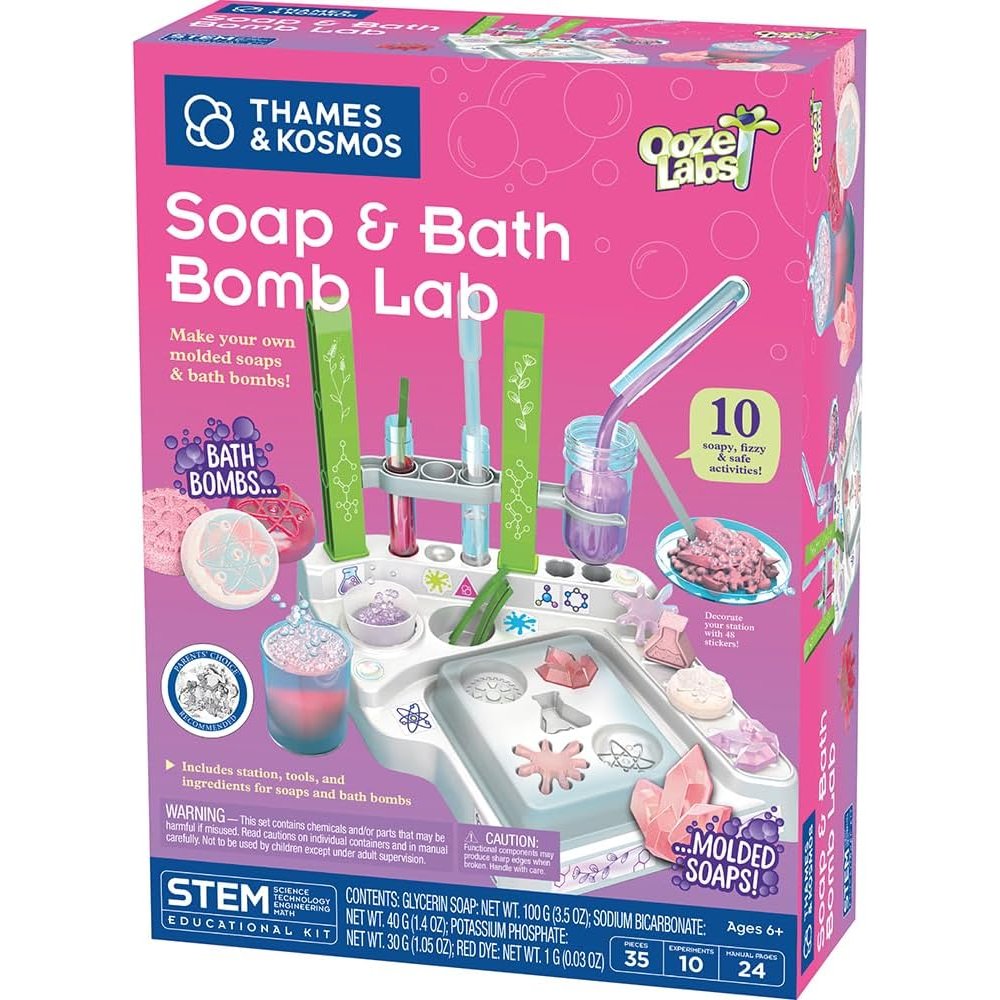
Ooze Labs Soap & Bath Bomb Lab
Best for: the kid who loves a hands-on experiment
Bath bombs are already a favorite at our house, which is why this kit caught my eye.
What it teaches: Chemistry with a result they get to use. Kids mix the ingredients and watch the fizzing reaction that makes a bath bomb work.
Why it’s still fun: They can use what they made that same night. It’s one-and-done. It’s about $28.
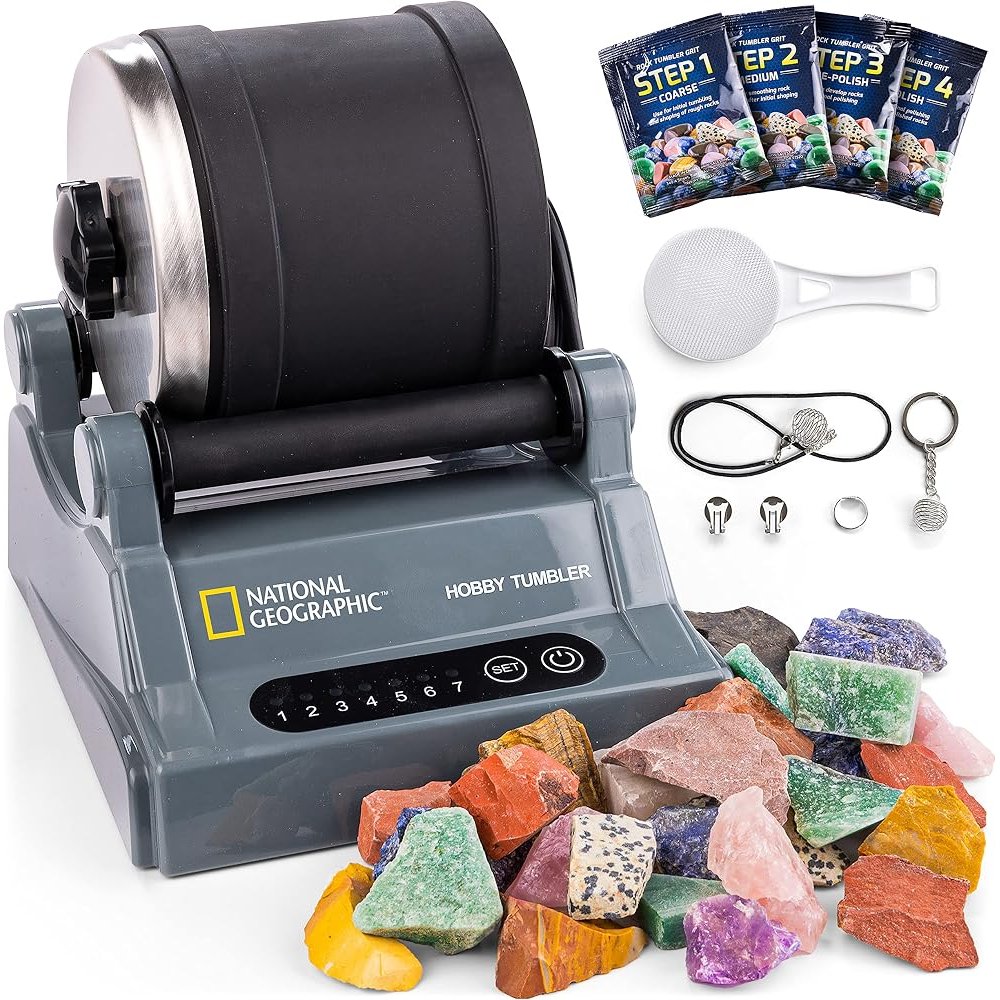
National Geographic Hobby Rock Tumbler
Best for: the patient rock collector
Reviewers say this rock tumbler is easy to run.
What it teaches: Patience and geology. Rough rocks go through rounds of grit over several weeks and come out polished.
Why it’s still fun: Opening the barrel at the end feels like finding treasure. It runs around the clock for weeks and it’s noisy, so plan on the garage. It’s about $58.
Coding Toys for the Future Coder
Coding toys at 8 should do something they can see. Lincoln’s Sphero BOLT is in our top 5 above, and Botley was the coding robot he started with.
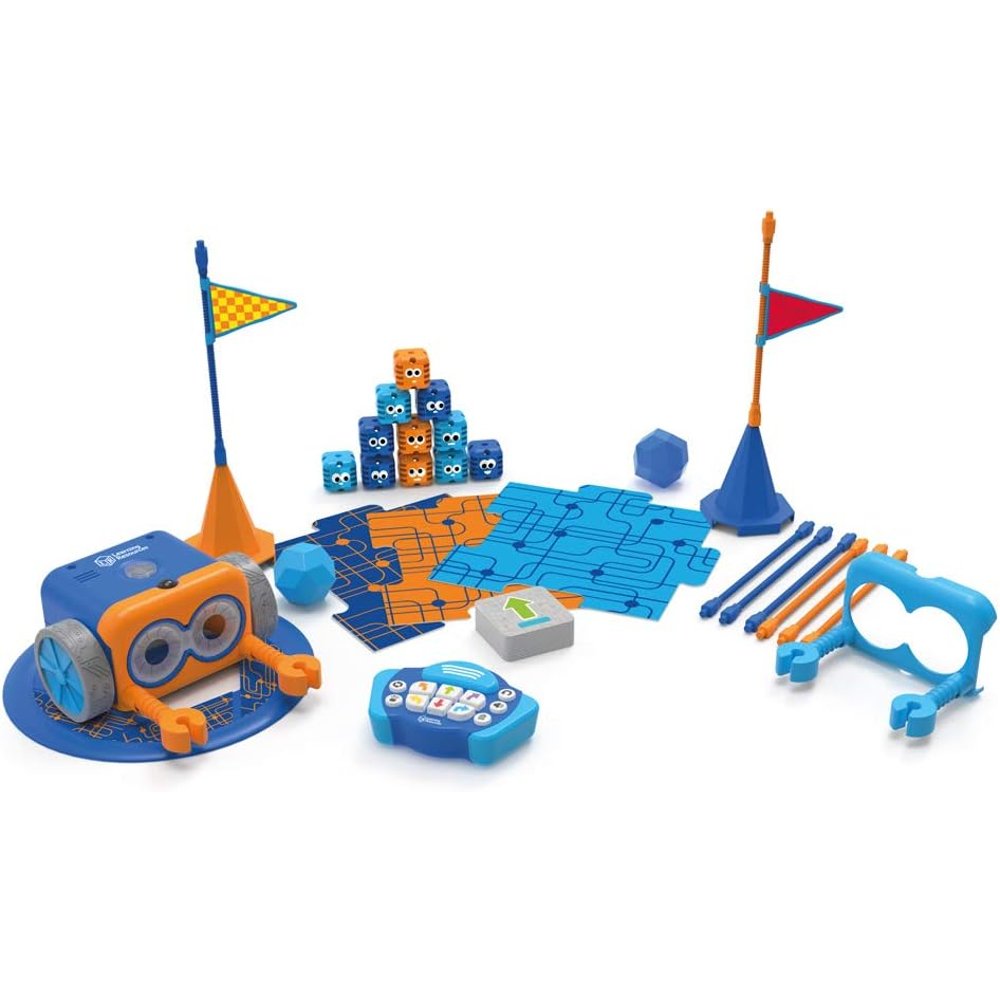
Botley 2.0 Coding Robot Activity Set
Best for: a first coding toy with no screen
Lincoln got Botley for Christmas when he was 7 or 8, and he really liked it.
What it teaches: Coding with no screen. Kids plan a string of moves on the remote programmer, up to 150 steps, and watch Botley run it, so they learn sequencing and loops and find out fast when a step is wrong.
Why it’s still fun: Kids build obstacle courses with the cones and blocks, and Botley follows lines and dodges things in his way. It’s labeled 5+, so it fits an 8 year old who is new to coding. Takes 5 AAA batteries. It’s about $100.
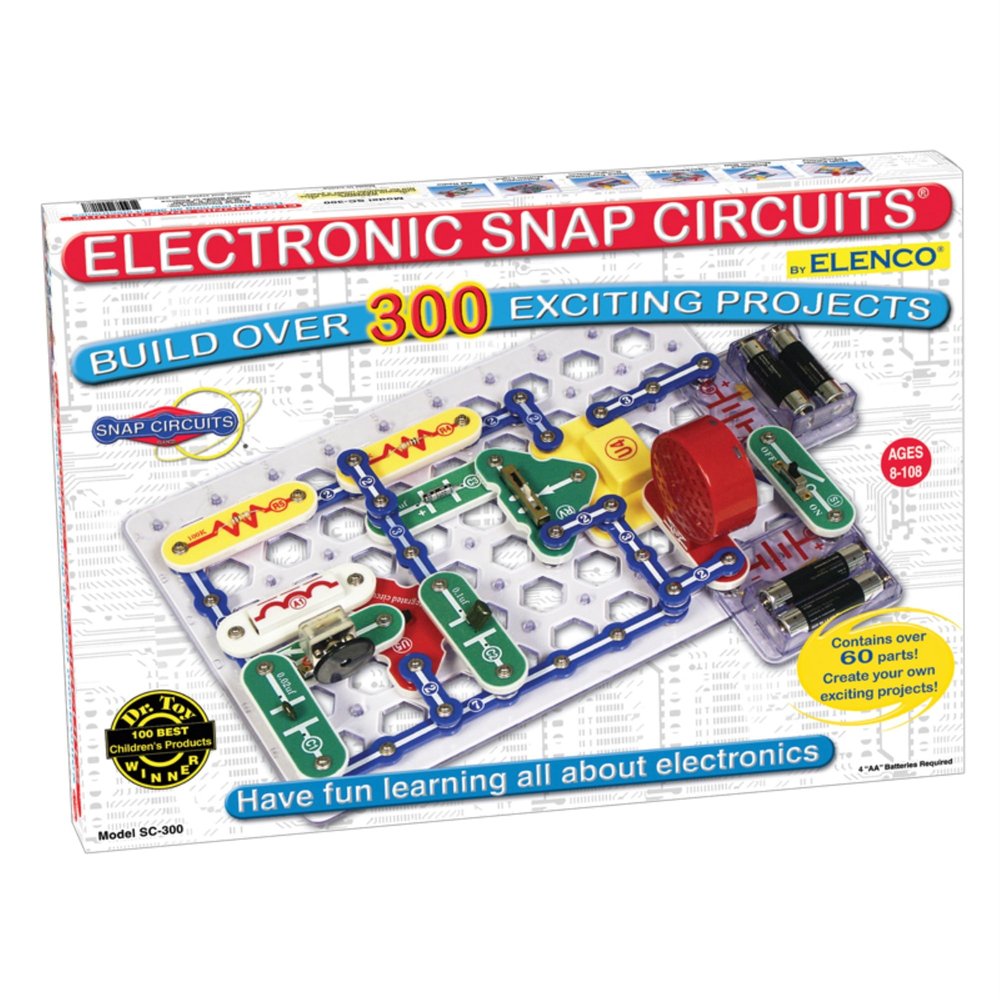
Snap Circuits Classic SC-300
Best for: the kid who takes everything apart
Parents report years of use from this kit, and some say their teens still pull it out.
What it teaches: Real electronics. The 300-plus projects run from fans and alarms to an FM radio, and the pieces snap onto a grid with no soldering.
Why it’s still fun: Every project does something, and kids can see the circuit that made it happen. The kits that get shelved are usually the ones bought at 4 or 5, and 8 is a much better age. The price swings a lot on this one, so shop around.
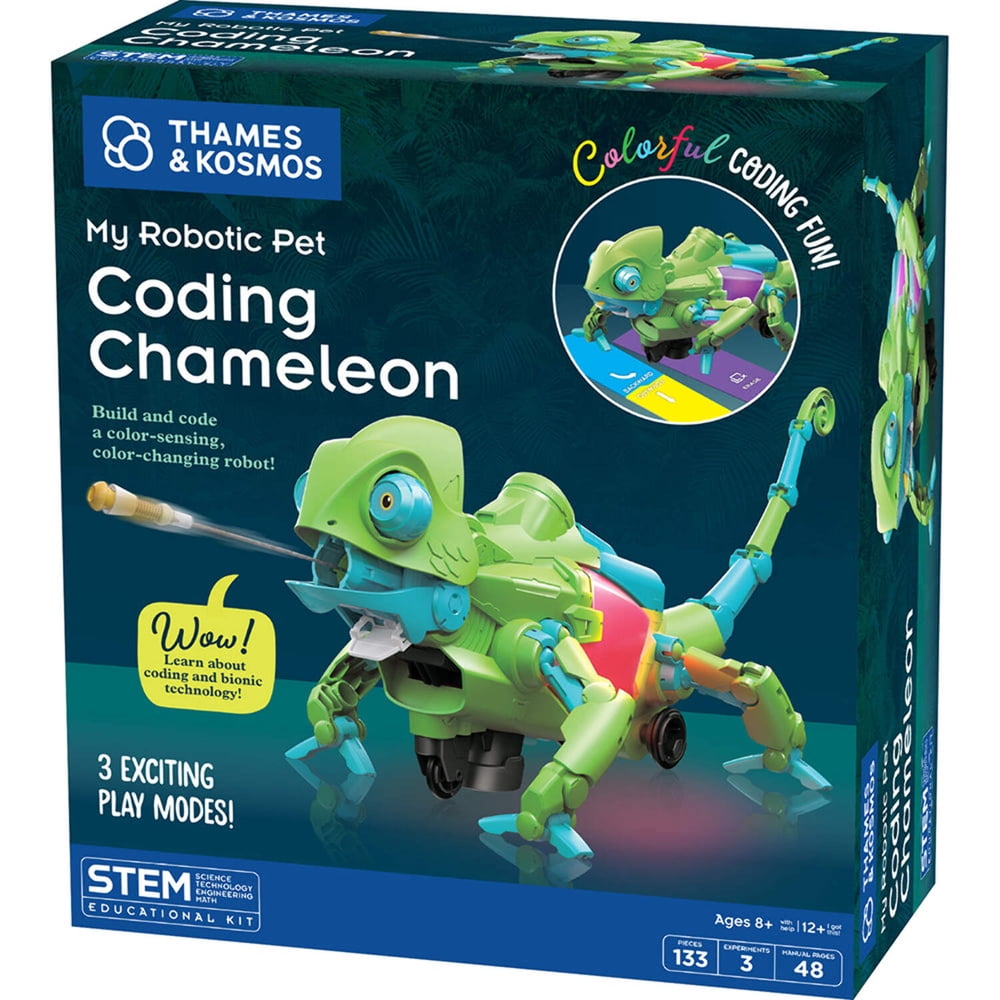
My Robotic Pet: Coding Chameleon
Best for: screen-free coding on a smaller budget
This won Educational Toy of the Year at the 2026 Toy of the Year awards.
What it teaches: The logic of code without a tablet. Kids build the robot chameleon, then program it with coding cards.
Why it’s still fun: It’s a pet they built and programmed themselves. It’s labeled 8+, so plan on helping at first, and it takes 4 AAA batteries. It’s about $26 at Walmart.
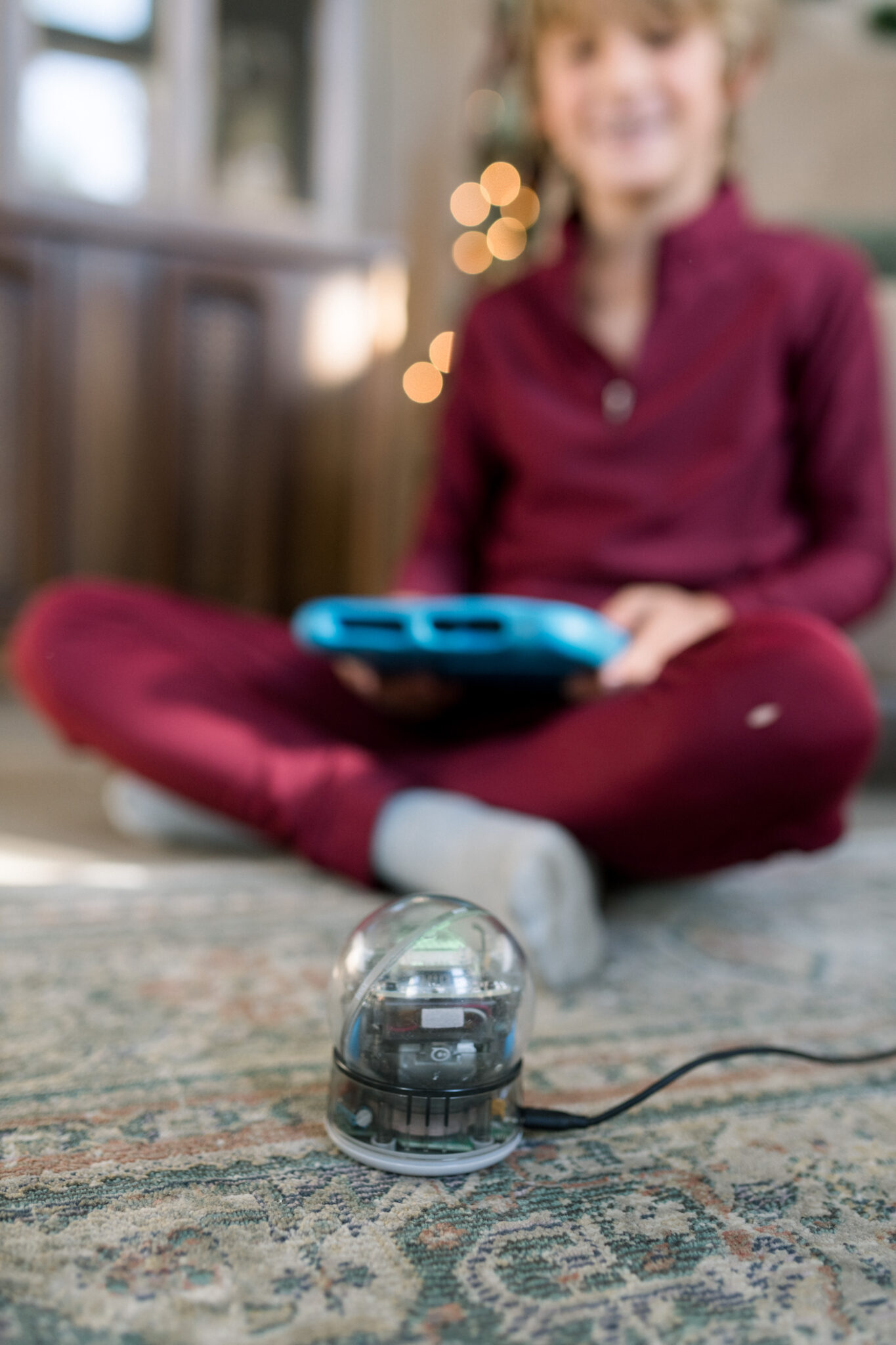
Logic Puzzles for the Kid Who Loves a Challenge
Solo logic puzzles are the quiet win at 8. Most cost under $30, and they build the step-by-step thinking that shows up later in math.
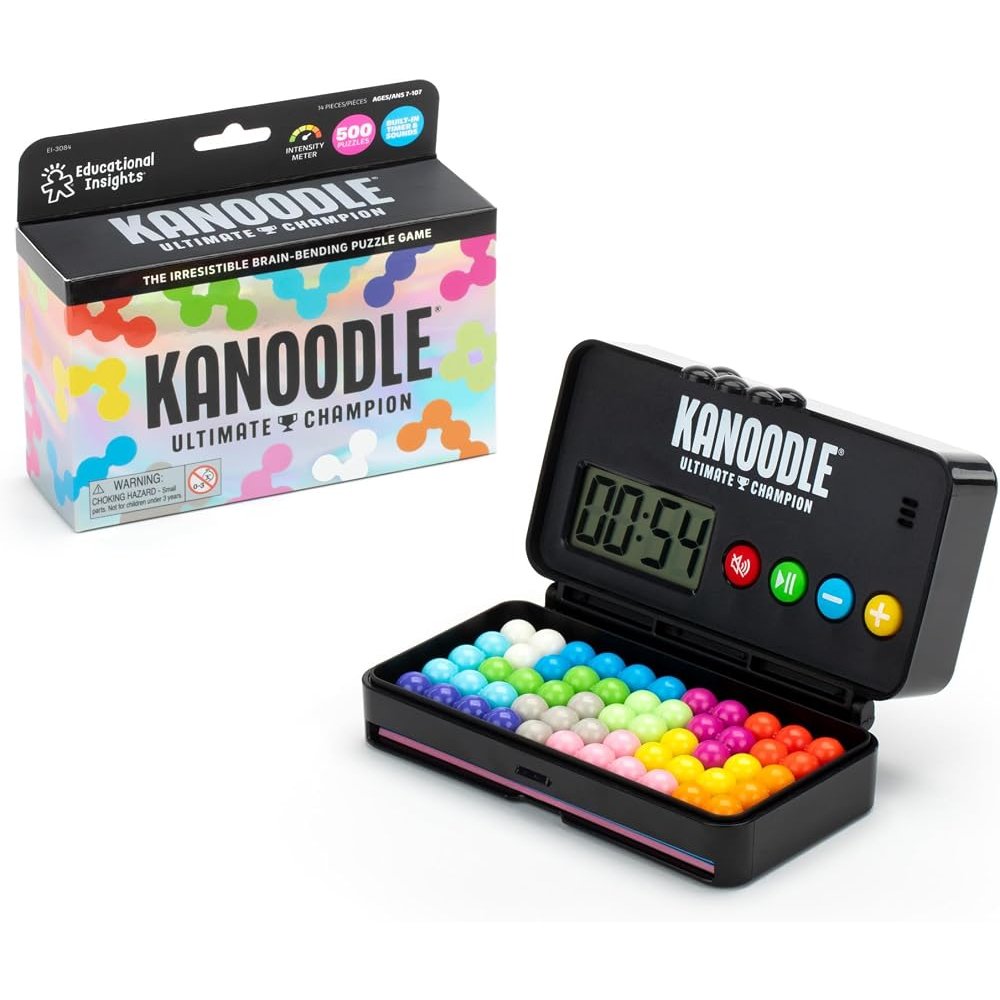
Kanoodle Ultimate Champion
Best for: car rides, waiting rooms and quiet time
Kanoodle was the top-selling logic puzzle for kids on Amazon this year, and the Ultimate Champion version is already a favorite in my gifts for 10 year old girls guide.
What it teaches: Spatial reasoning. Kids fit the bead pieces into the frame to match a starting layout, and each challenge gets harder.
Why it’s still fun: It’s small enough to toss in a bag, and it comes with 500 puzzles and a built-in timer, so kids race their own best time. The classic version is about $10 if you want a stocking stuffer. The pieces are small, so watch it around little siblings. It’s about $20.
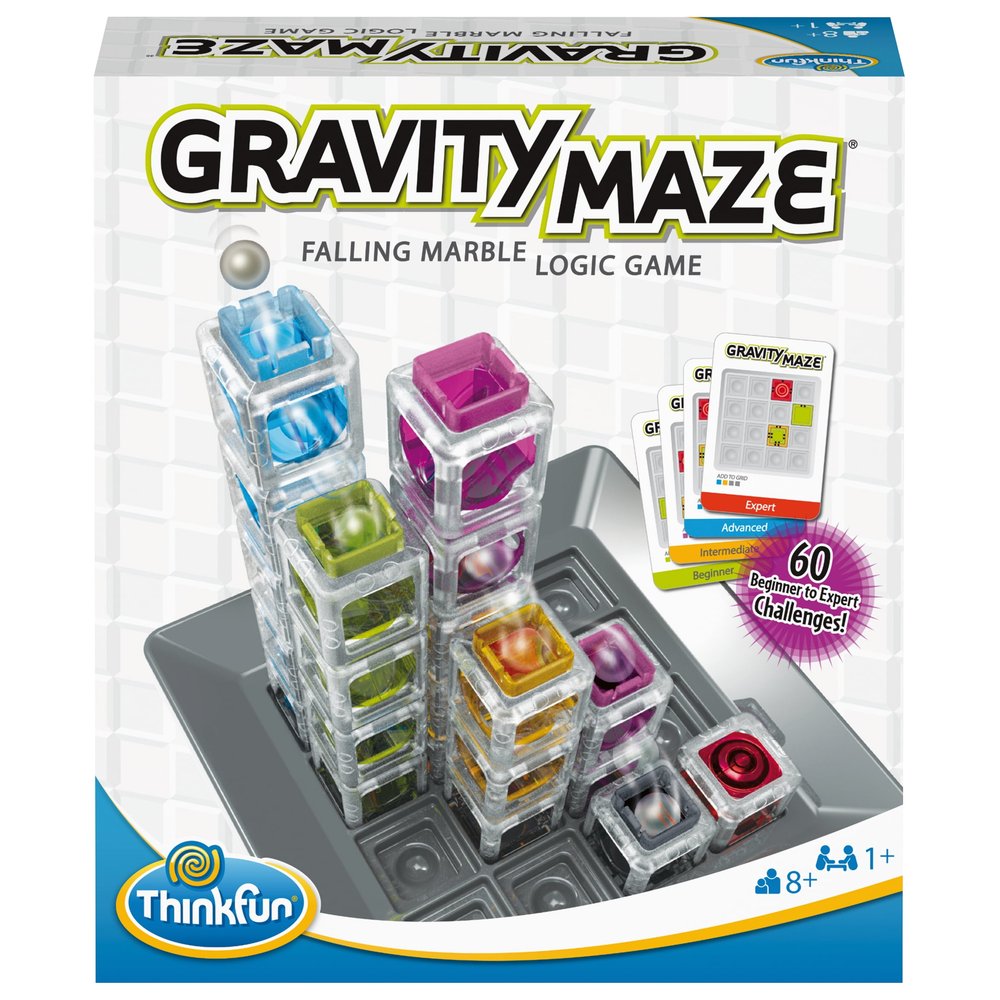
ThinkFun Gravity Maze
Best for: the puzzle kid who also loves marble runs
We have this one and love it. It was a big hit at Christmas.
What it teaches: Logic and planning. Each of the 60 challenge cards shows a starting setup and a target, and kids figure out which towers will get the marble there.
Why it’s still fun: Every solution ends in a marble run, so they get to watch their answer work. The marbles are small steel balls, and parents say siblings fight over it, so think one per kid. It’s about $20 at Walmart.
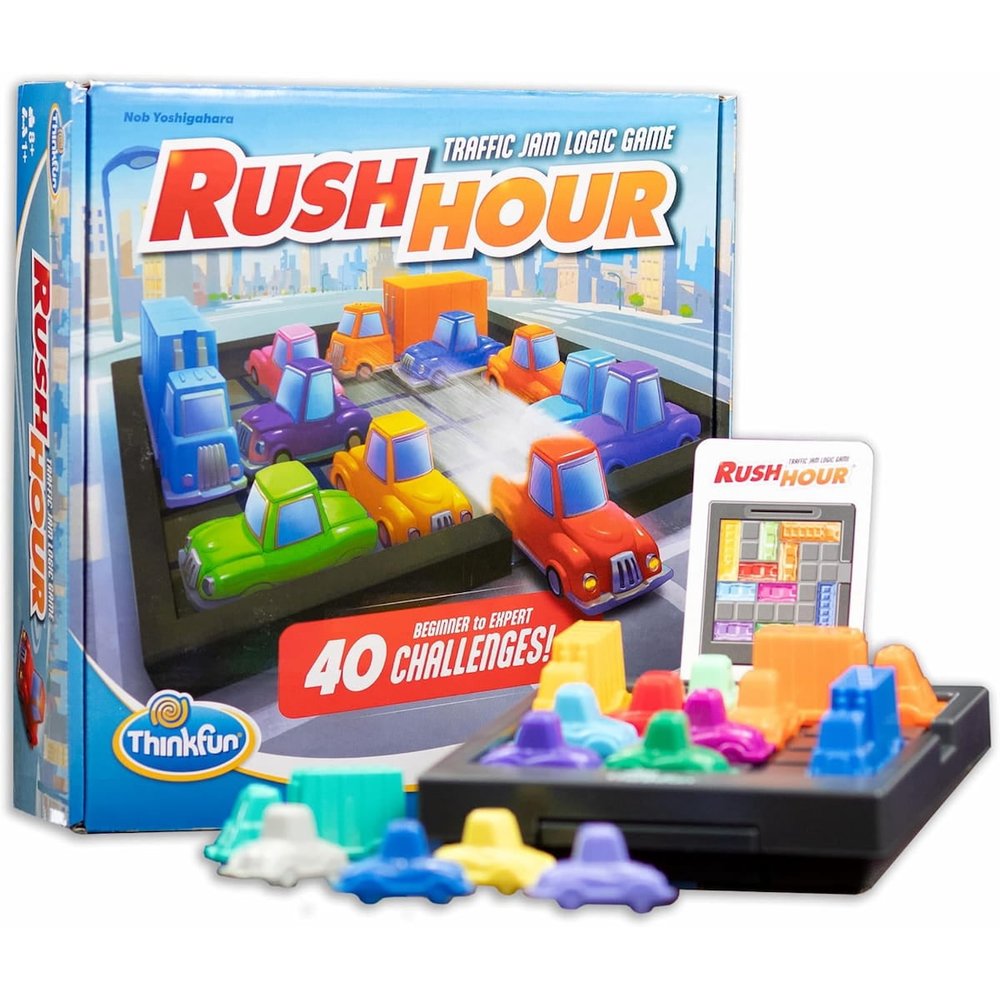
Rush Hour
Best for: the kid who outgrew Rush Hour Jr.
We love Rush Hour Jr., and this is the step up.
What it teaches: Thinking several moves ahead. Kids slide the cars and trucks in a traffic jam to get the red car out.
Why it’s still fun: There are 40 levels, and the top ones stump adults. Buy the regular game at this age, not Jr. It usually sells for about $25.
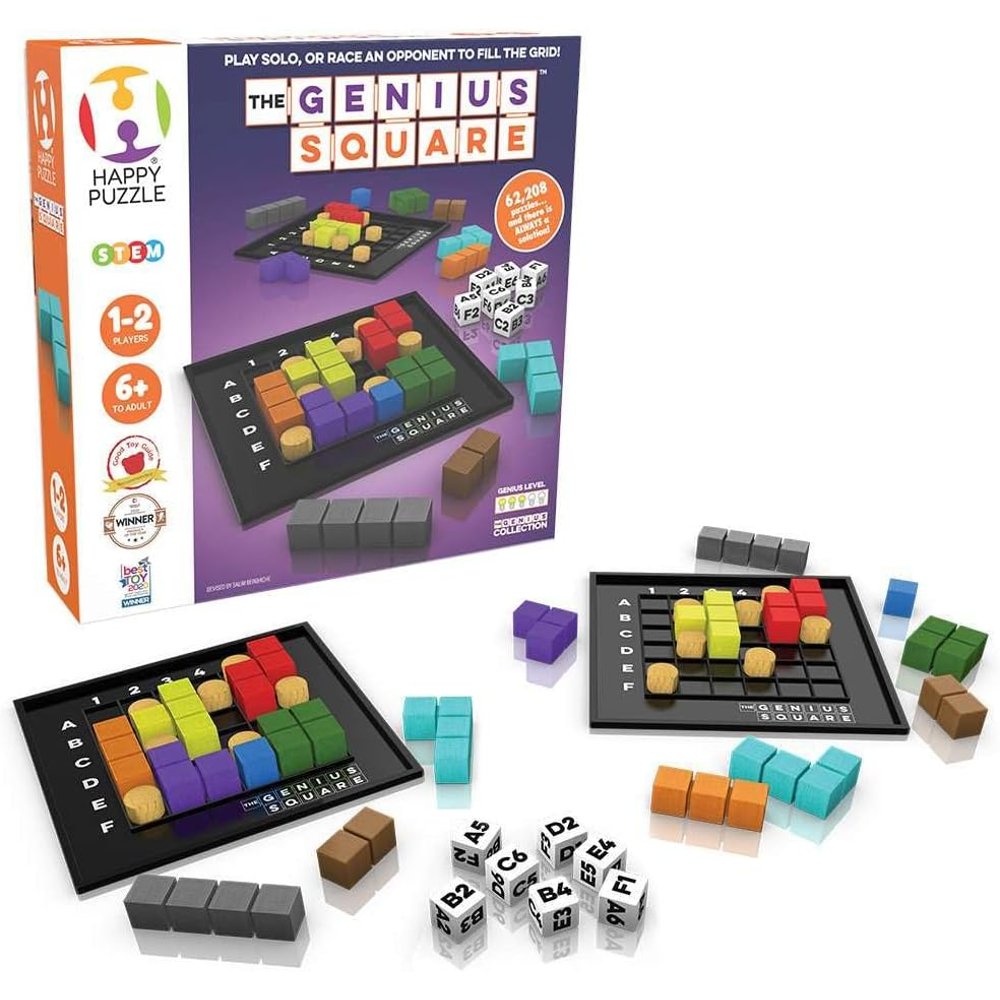
The Genius Square
Best for: head-to-head puzzle races
This one came up less often than Kanoodle in the parent forums, but the families who own it love it.
What it teaches: Spatial reasoning and grid coordinates. Kids roll the dice to place the blockers, then fill the rest of the board with their pieces.
Why it’s still fun: Every roll makes a brand new puzzle, and two players can race each other. It’s about $28.
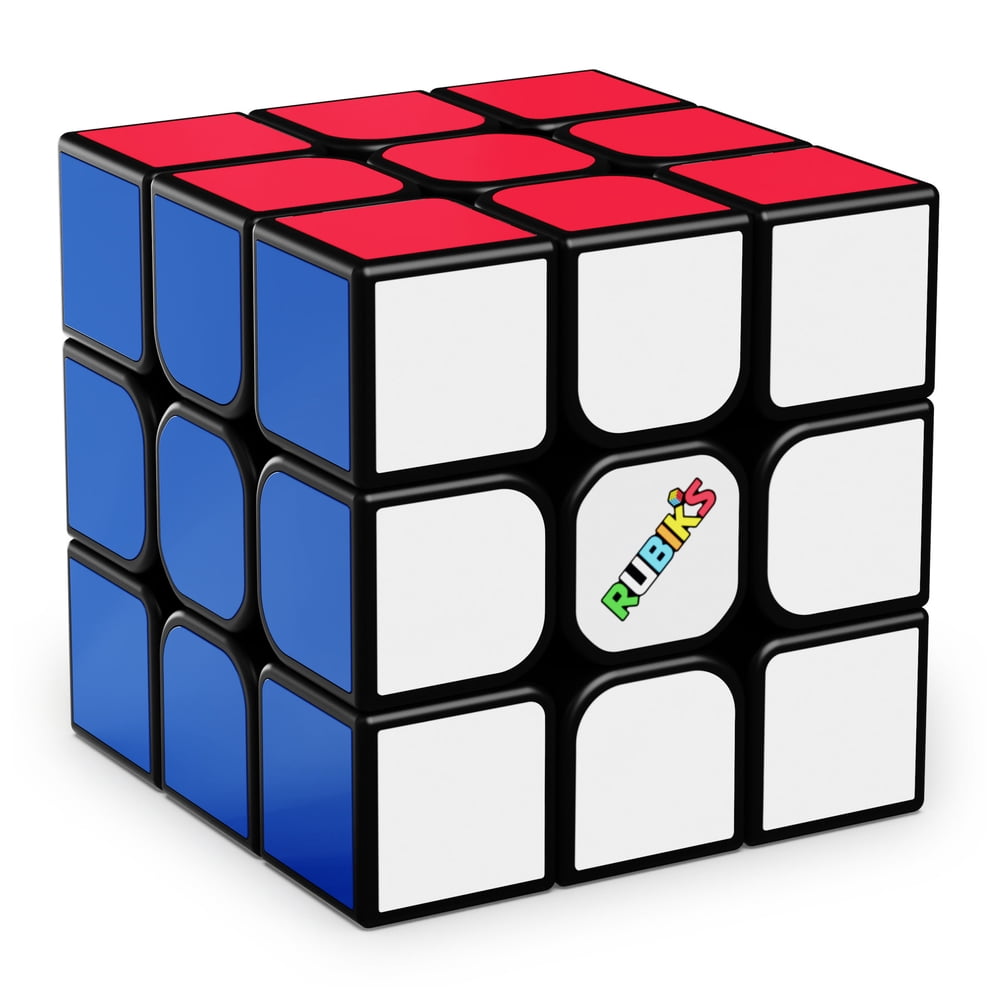
Rubik’s Cube
Best for: something to master and show off
Every 8 year old wants to be the kid who can solve it.
What it teaches: Following an algorithm. Kids learn the solve as a series of steps, usually from a YouTube tutorial, and then work on getting faster.
Why it’s still fun: Solving it the first time is a huge deal at 8. Without a tutorial it mostly frustrates them, and cheap knockoffs jam, so buy the real one. It’s about $9 at Walmart.
Educational Games for Family Game Night
Games are where the most learning sneaks in at our house, and every one of these is fun for the adults, too.
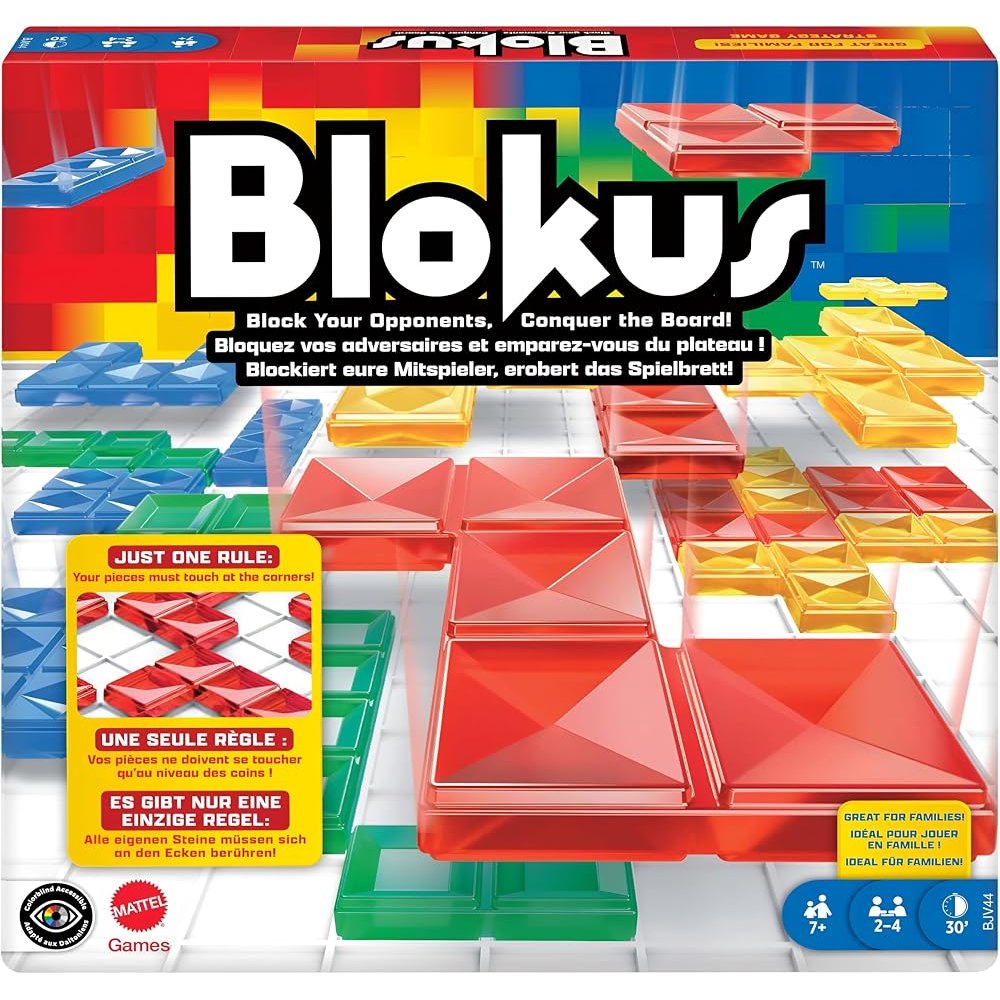
Blokus
Best for: kids who want to beat their parents fair and square
We own Blokus. Parents say the rules take two minutes to explain, and there’s no reading.
What it teaches: Spatial strategy. Your pieces can only touch your own color at the corners, so kids plan ahead and block everyone else.
Why it’s still fun: Kids can beat adults for real. One parent said her son still plays it five years later. It’s best with two or four players. It’s about $17.
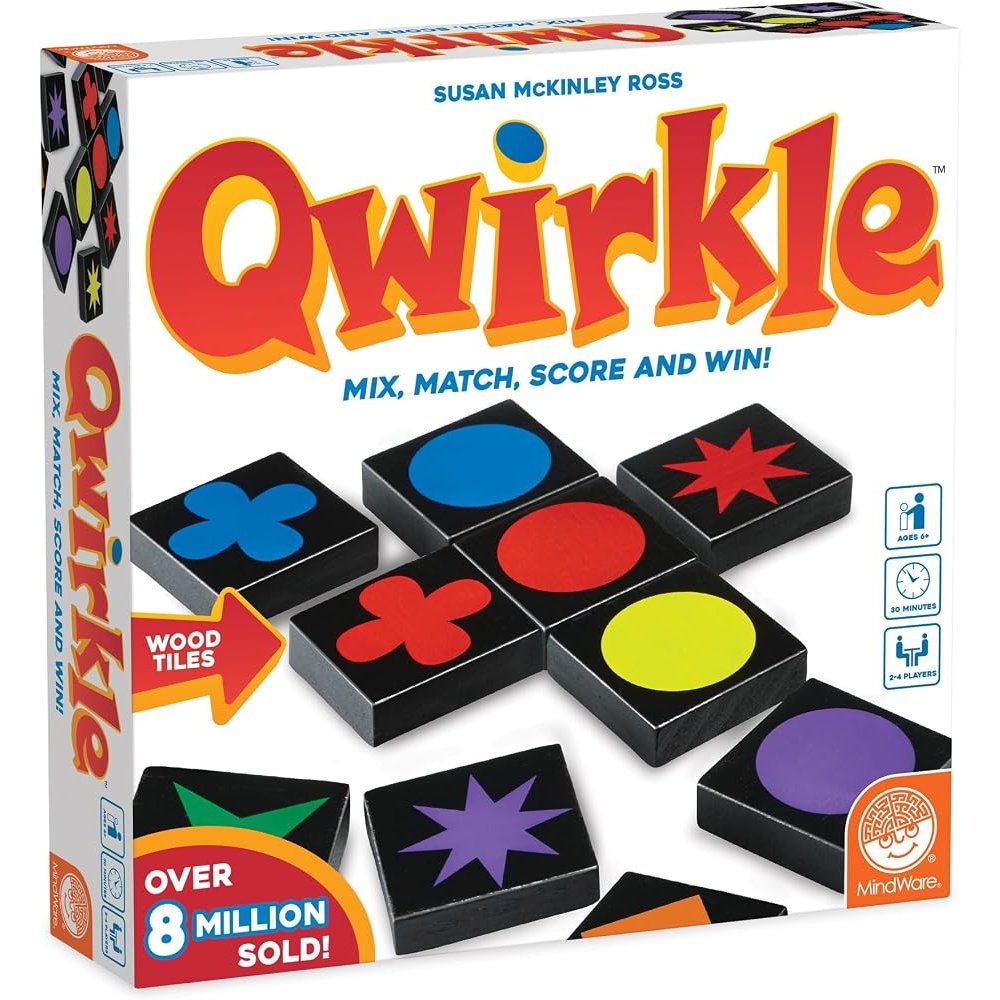
Qwirkle
Best for: pattern lovers
Parents in the forums recommended Qwirkle constantly.
What it teaches: Pattern matching and adding. Players line up wooden tiles by color or shape and add up their points.
Why it’s still fun: It works as a competitive game or a solo one, and the chunky wooden tiles are satisfying to play with. It’s about $20.
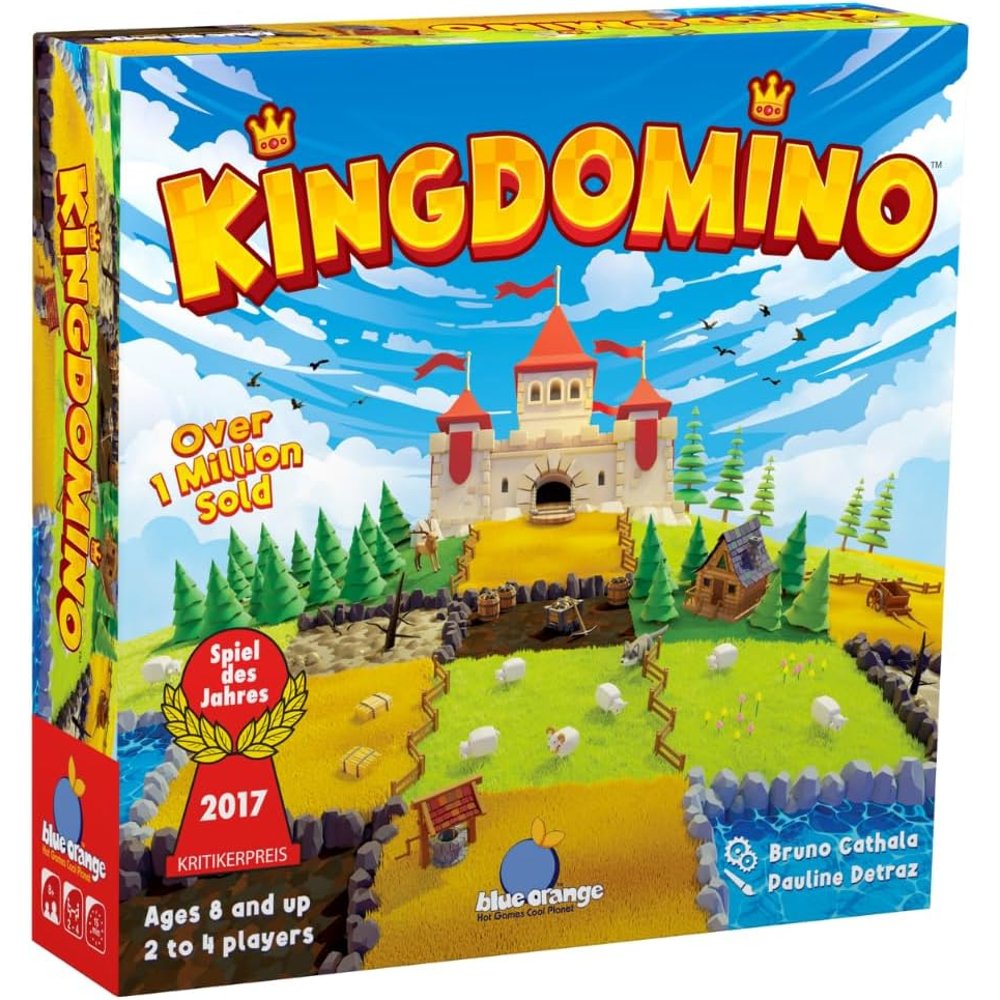
Kingdomino
Best for: a short game before bed
Teachers like this one, and a game takes about 15 minutes.
What it teaches: Sneaky multiplication. Kids build a kingdom out of domino tiles, and the score is squares times crowns.
Why it’s still fun: Building the kingdom is the fun part, and the math happens at the end without anyone noticing. It’s about $20.
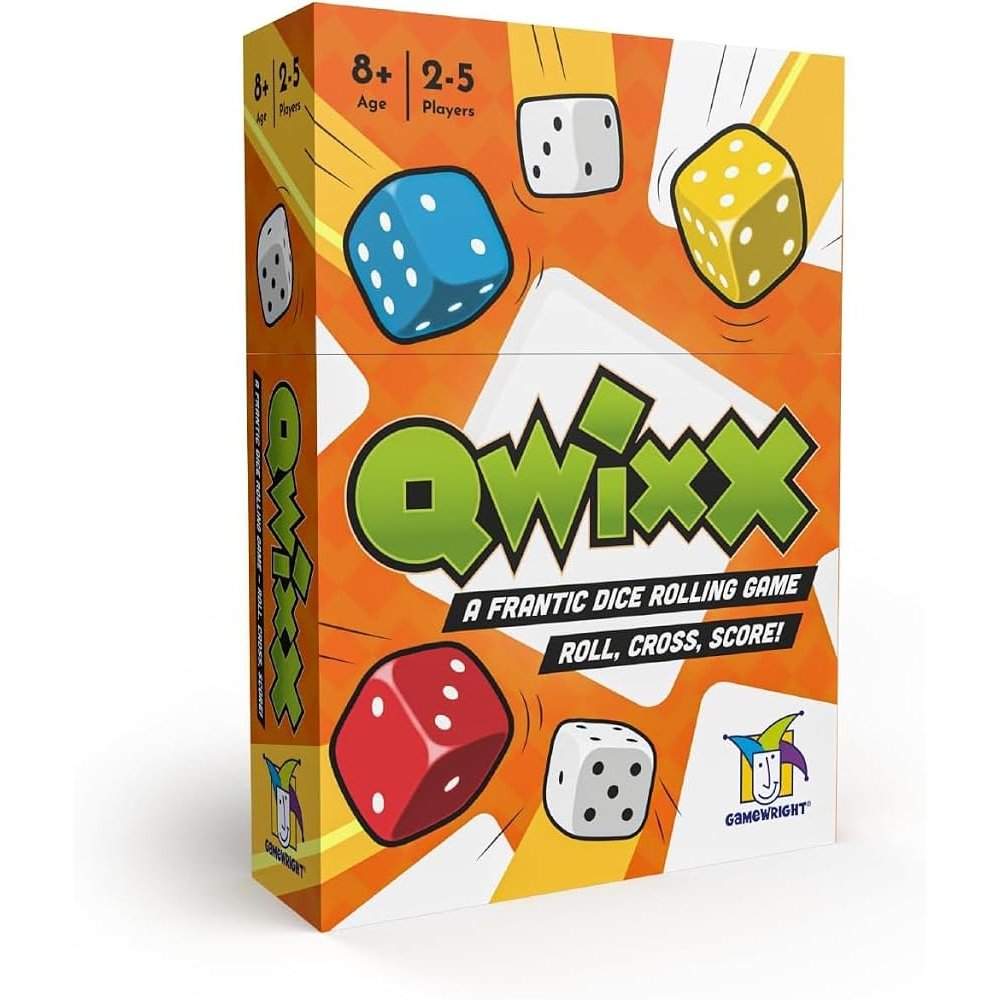
Qwixx
Best for: restaurant waits and travel
One family keeps Qwixx in the glovebox for restaurant waits.
What it teaches: Quick addition and a little probability. Everyone can use every roll, so kids are always doing math.
Why it’s still fun: Nobody sits around waiting for a turn. The score pads do run out, so grab an extra pad. It’s about $12.
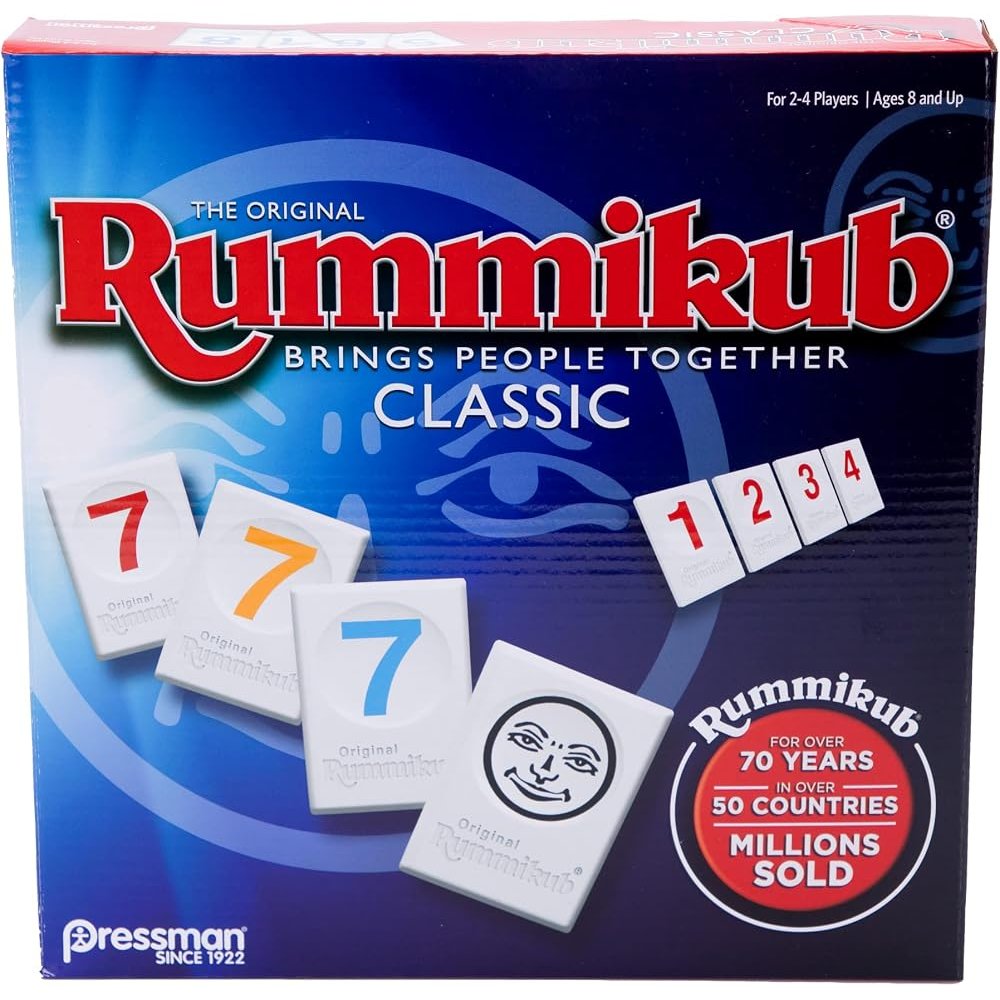
Rummikub
Best for: playing with grandparents
Rummikub is a game most grandparents already know, which makes it a good one for visits.
What it teaches: Number runs and sets, plus flexible thinking when you rearrange the tiles already on the table.
Why it’s still fun: Kids get competitive fast. One parent said her son nearly beats her now. It’s about $19.
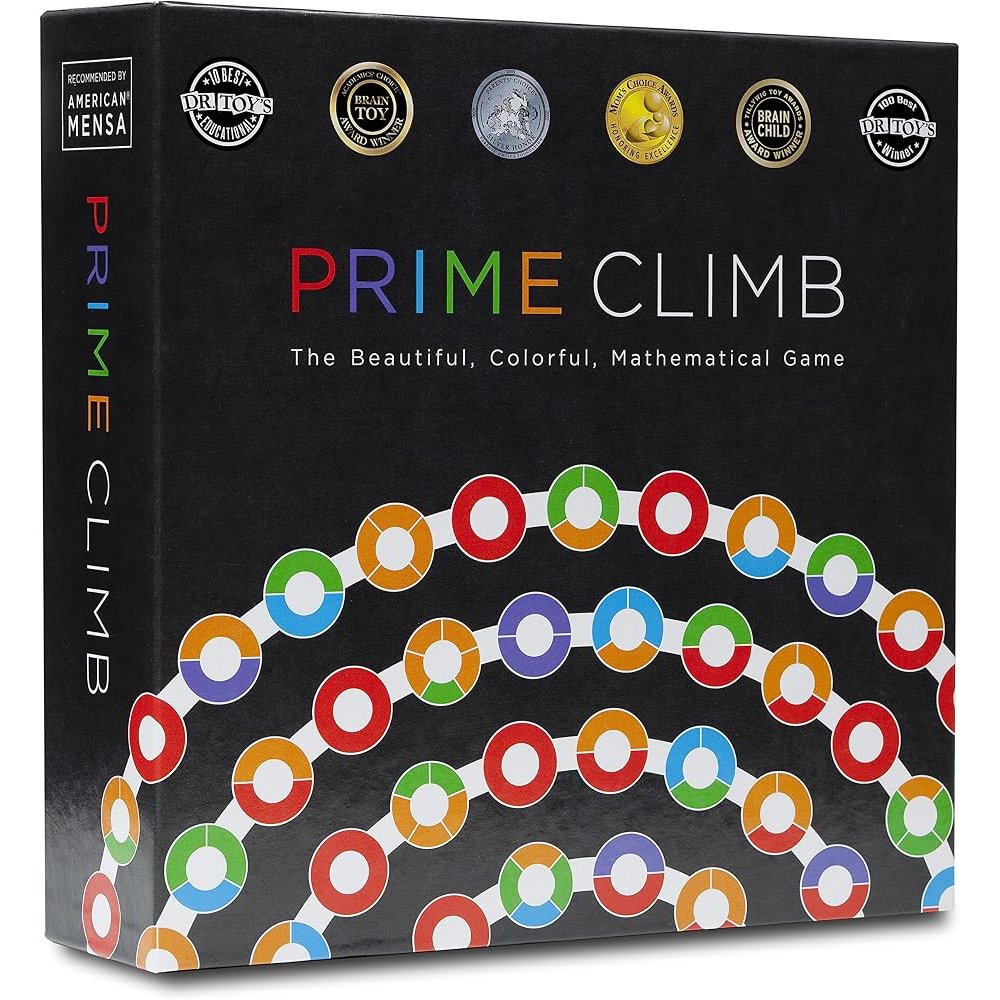
Prime Climb
Best for: a parent and kid playing together
Math teachers rave about Prime Climb, but there’s a catch worth knowing.
What it teaches: Multiplication and prime numbers on a color-coded board, where each number’s colors show its factors.
Why it’s still fun: The board is beautiful, and bumping someone back to the start is satisfying. Homeschool parents say it gets played when they suggest it and rarely on the kids’ own, so think of it as a game you sit down and play together. It’s about $30.
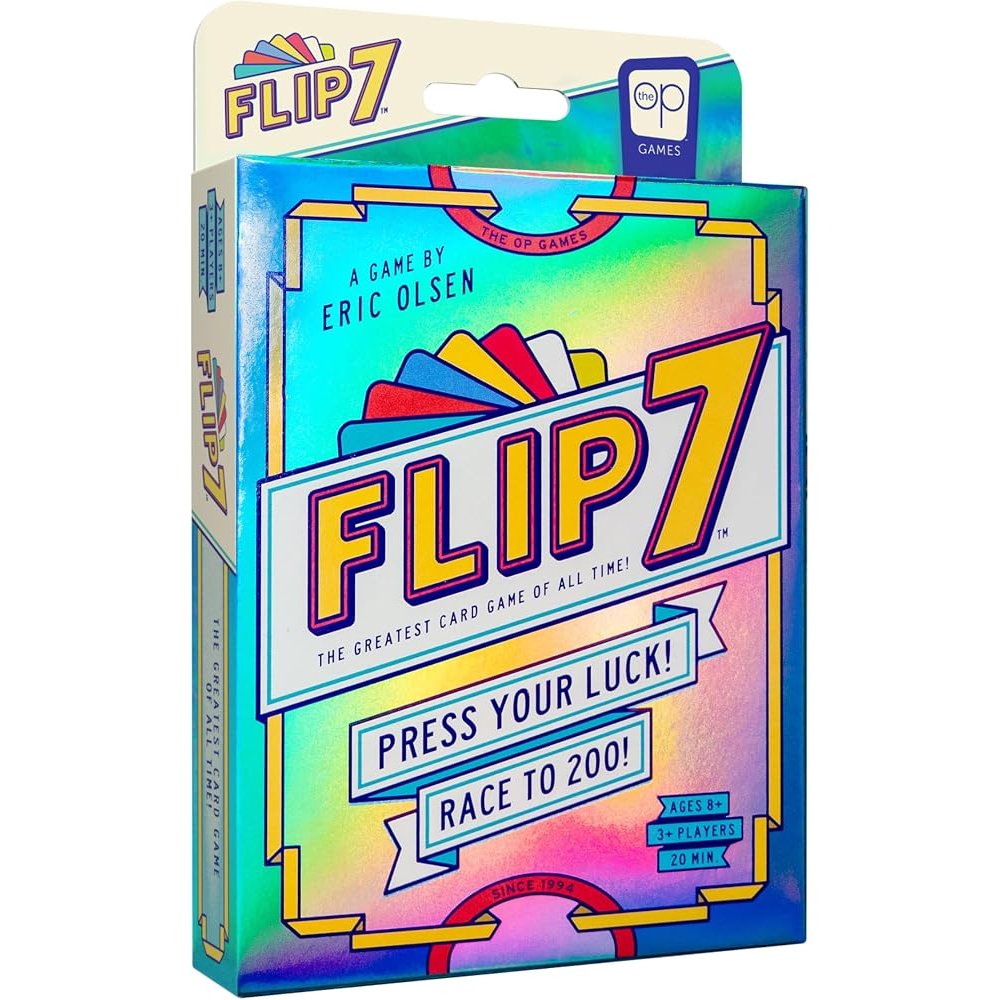
Flip 7
Best for: an $8 game the whole family plays
Flip 7 is already in my 10 year old girls guide, and it earns a spot here too.
What it teaches: Adding and risk. Kids flip cards, add as they go and decide when to stop before a duplicate wipes out the round.
Why it’s still fun: It’s fast and loud, and the push-your-luck part keeps everyone in it until the end. It’s about $8.
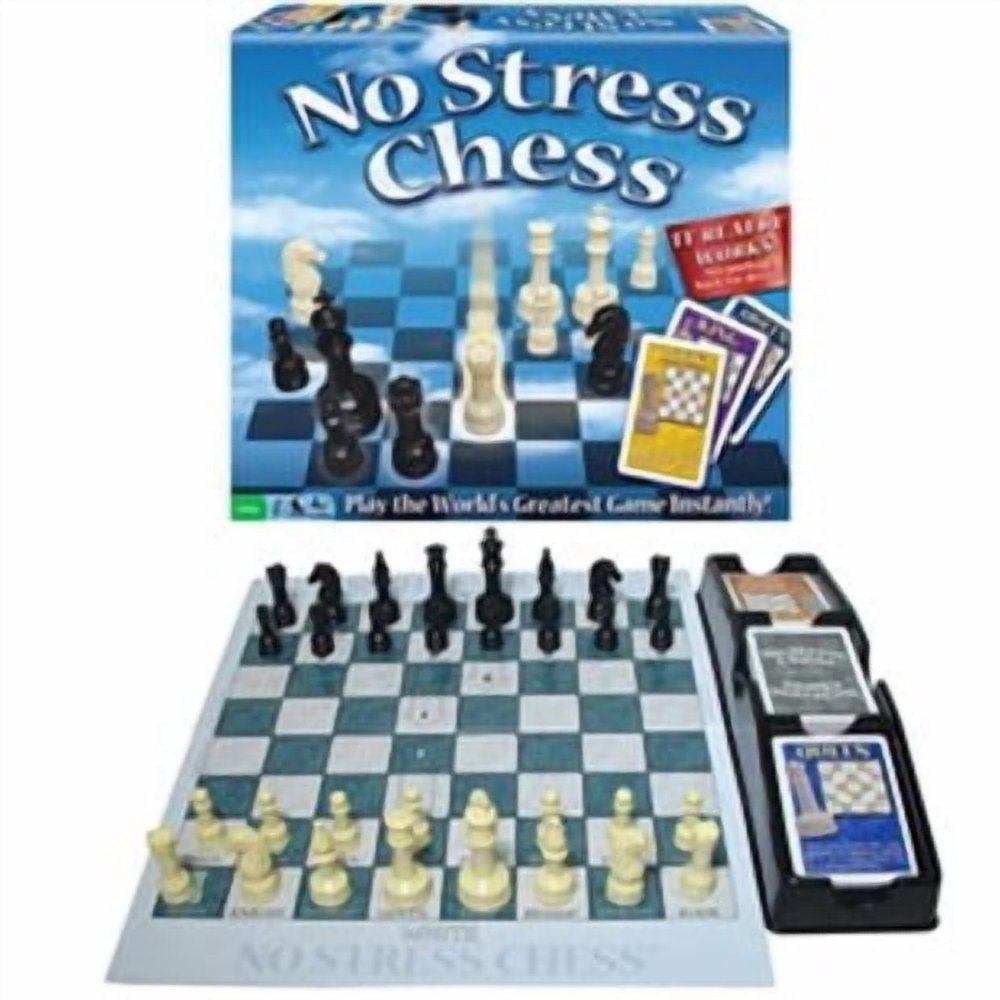
No Stress Chess
Best for: learning chess without memorizing the rules first
Both of my boys love chess, my 11 year old and my 7 year old.
What it teaches: Strategy and thinking ahead. The cards tell you which piece to move and show how it moves, so kids learn the game while they play it.
Why it’s still fun: Kids feel ready to play right away. Once they know the moves, a real chess set and a free chess app take them the rest of the way, and a lot of kids join a school chess club around this age. It’s about $24 at Walmart.
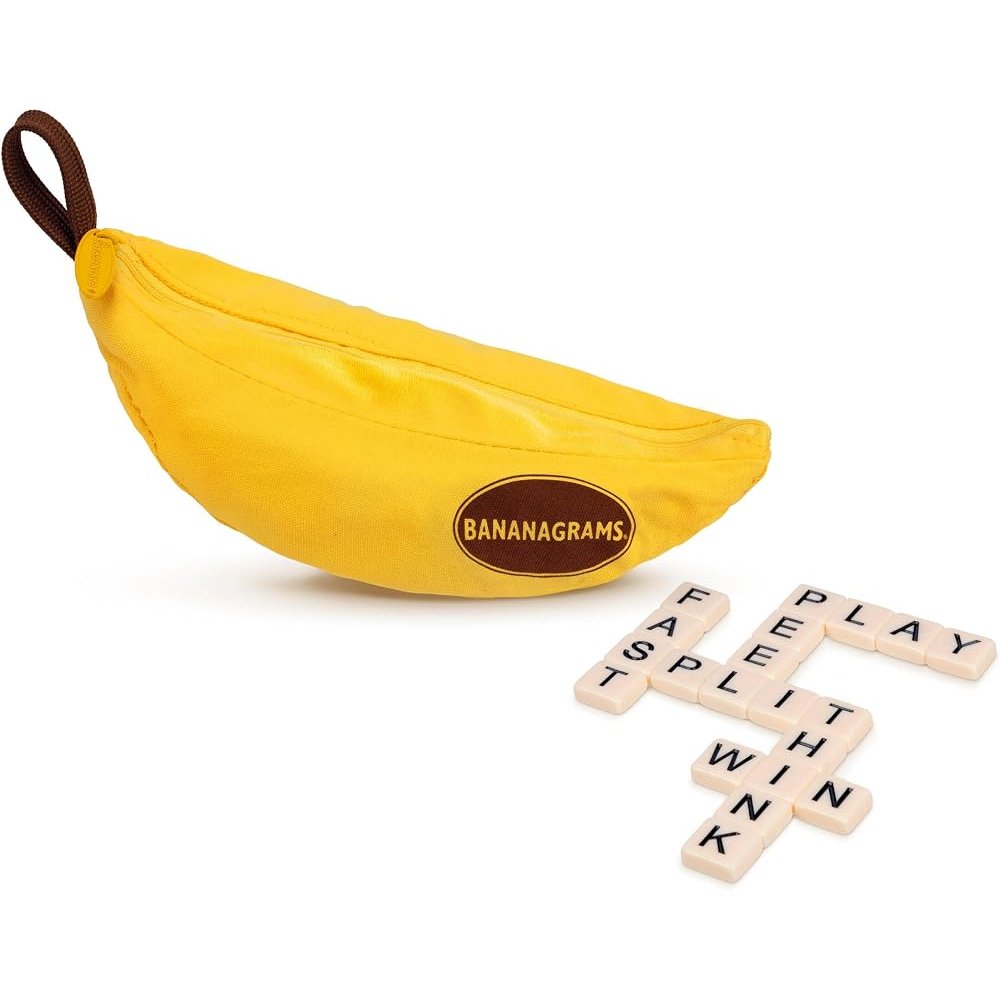
Bananagrams
Best for: spelling practice that feels like a race
It’s a fast word game that packs into a banana-shaped pouch, so it goes everywhere.
What it teaches: Spelling and vocabulary. Each player builds their own crossword grid as fast as they can.
Why it’s still fun: There are no turns, just racing. Make the adults use longer words, or the kids will quit. It’s about $12.
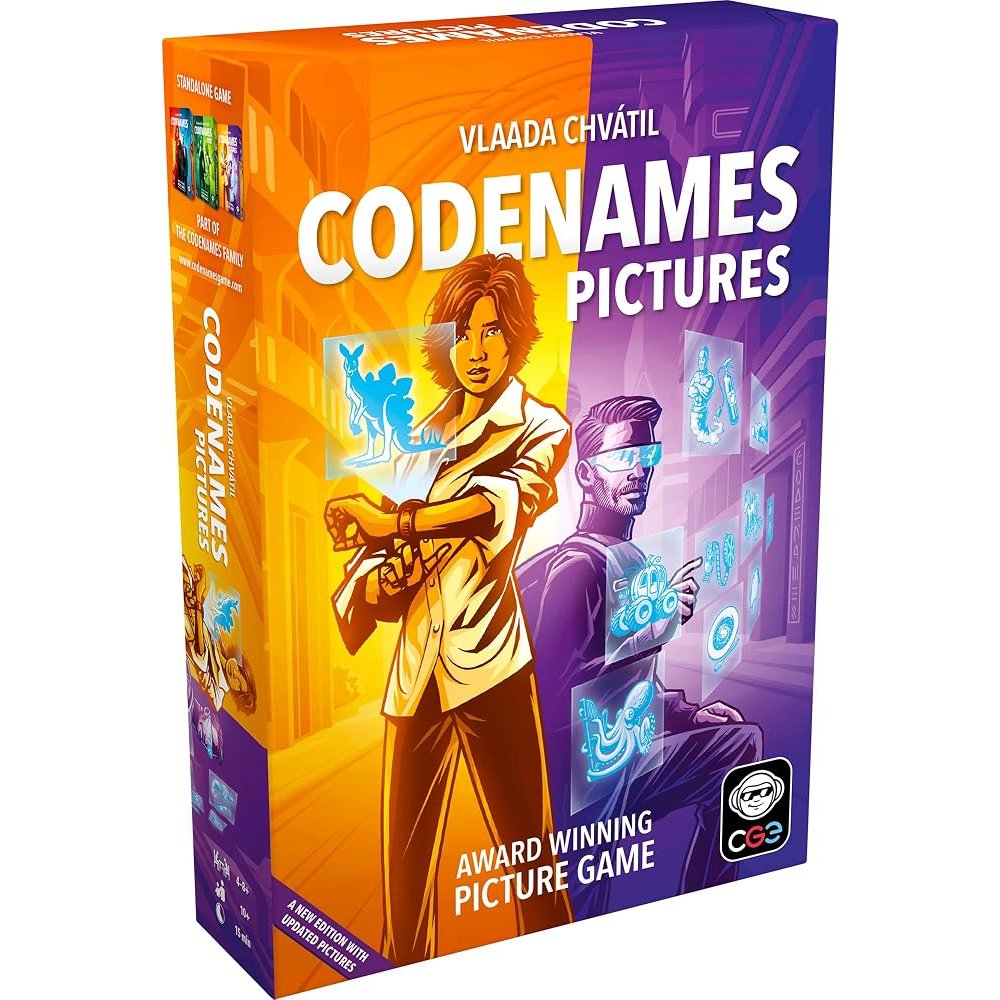
Codenames: Pictures
Best for: keeping up with older siblings
Regular Codenames is a stretch at 8, so this is the version I’d get.
What it teaches: Word association. Teams give one-word clues that link several pictures at once.
Why it’s still fun: Because it’s played on teams, an 8 year old can hold their own with older siblings. It’s about $25.
Books for the Kid Who Loves Math and Machines
Books belong on any list of learning gifts. We own the first three, and the rest are classics that parents and teachers kept recommending. For holiday reading, see my favorite Christmas books for kids here.
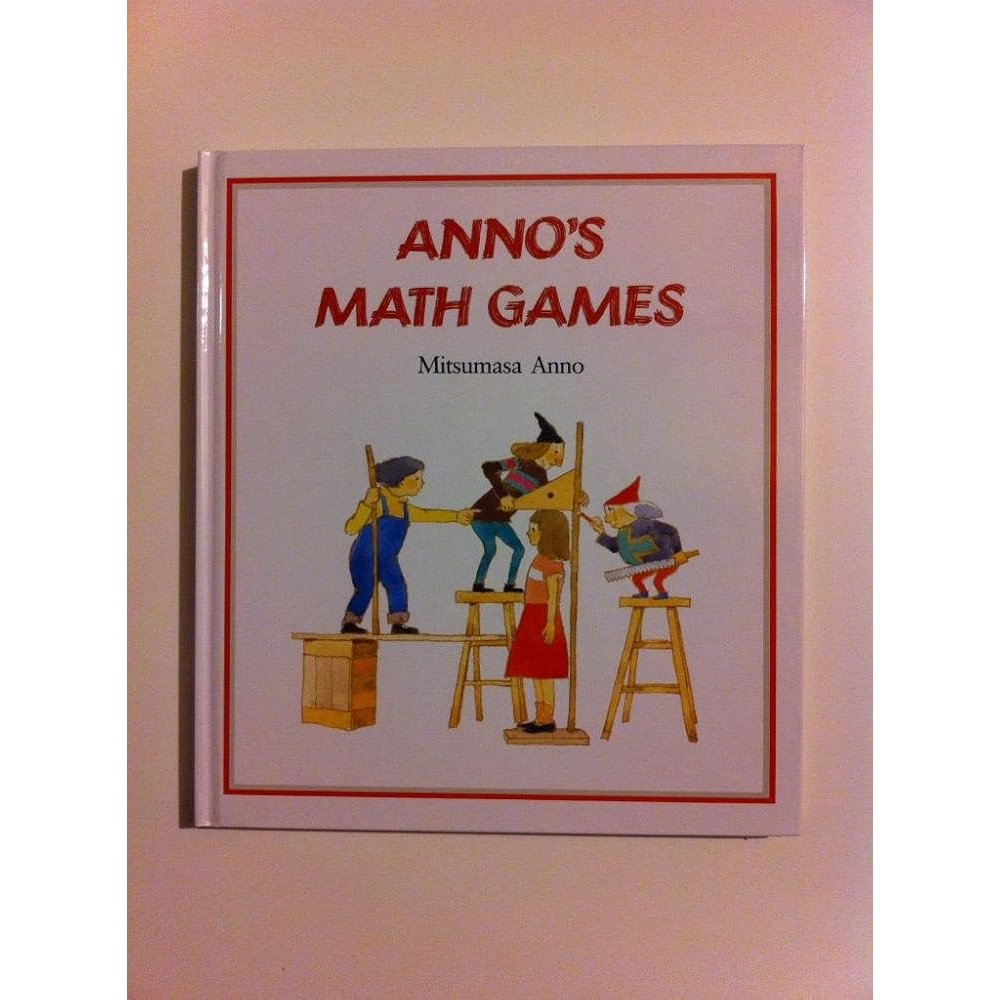
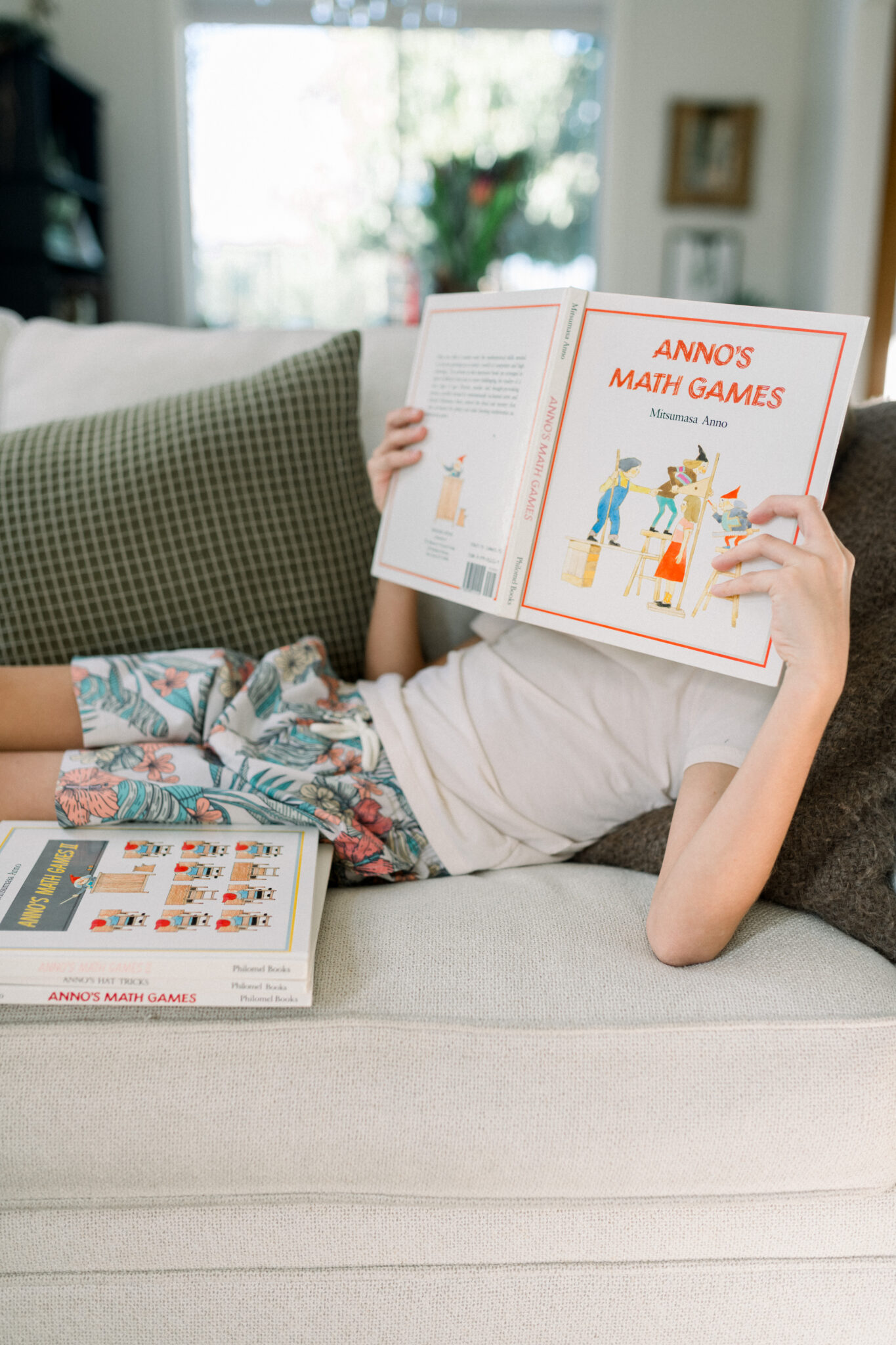
Anno’s Math Games I, II and III, plus Anno’s Hat Tricks
Best for: the kid who loves a picture puzzle
We own all four of these.
What it teaches: Math thinking through Mitsumasa Anno’s detailed picture puzzles. The three Math Games books turn math ideas into pictures to work out, and Hat Tricks is pure logic: figure out what color hat you’re wearing from what everyone else can see.
Why it’s still fun: They read like picture puzzle books, so every page is its own little game. All four are out of print, so the link goes to used copies.

One Grain of Rice, by Demi
Best for: read-alouds with a big reveal
This one is on our shelf too.
What it teaches: Doubling. A village girl asks the raja for one grain of rice, doubled every day for 30 days, and by the end he owes her more than a billion grains.
Why it’s still fun: The clever girl outsmarts a greedy raja, and the last day opens into fold-out pages of elephants hauling the rice. It’s about $11.
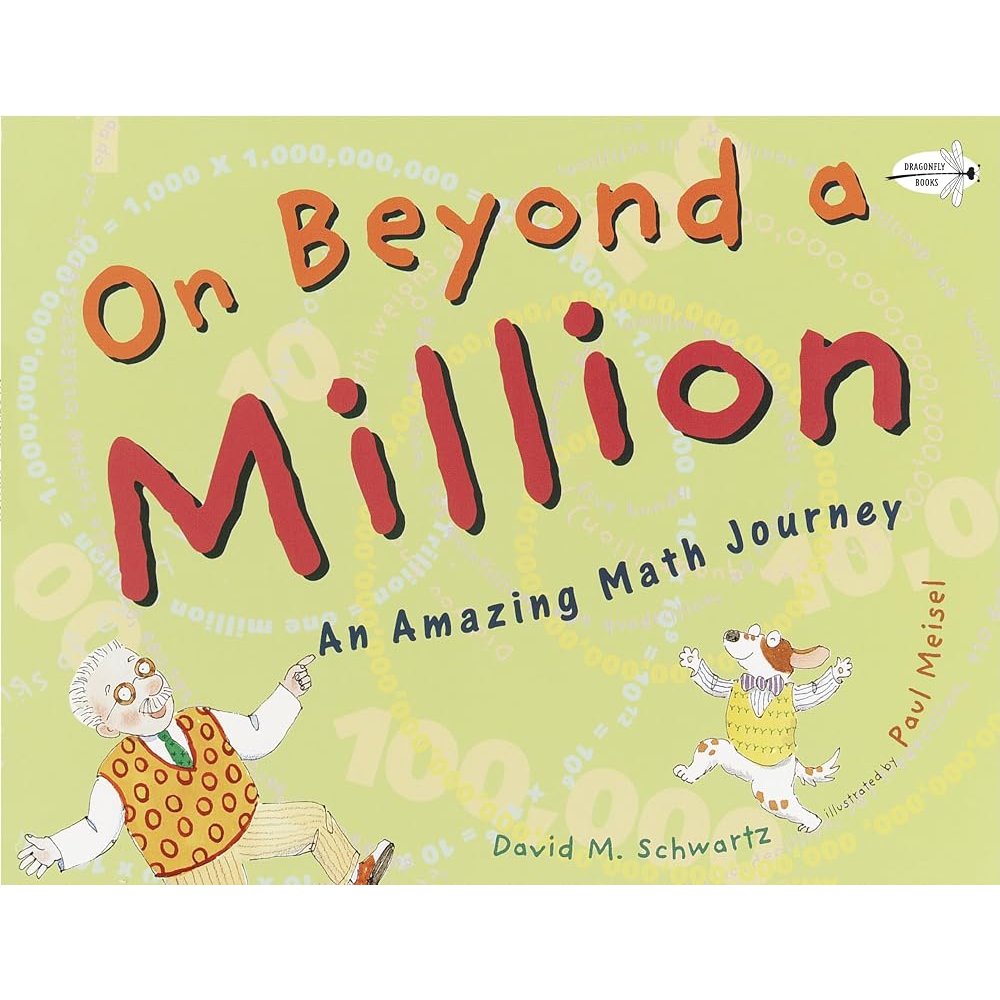
On Beyond a Million, by David M. Schwartz
Best for: the kid who asks what the biggest number is
We own this one as well.
What it teaches: Place value and powers of ten, counting up by tens all the way past a googol.
Why it’s still fun: Professor X and his dog Y lead the way, and kids love finding out just how big a googol is. It’s about $9.
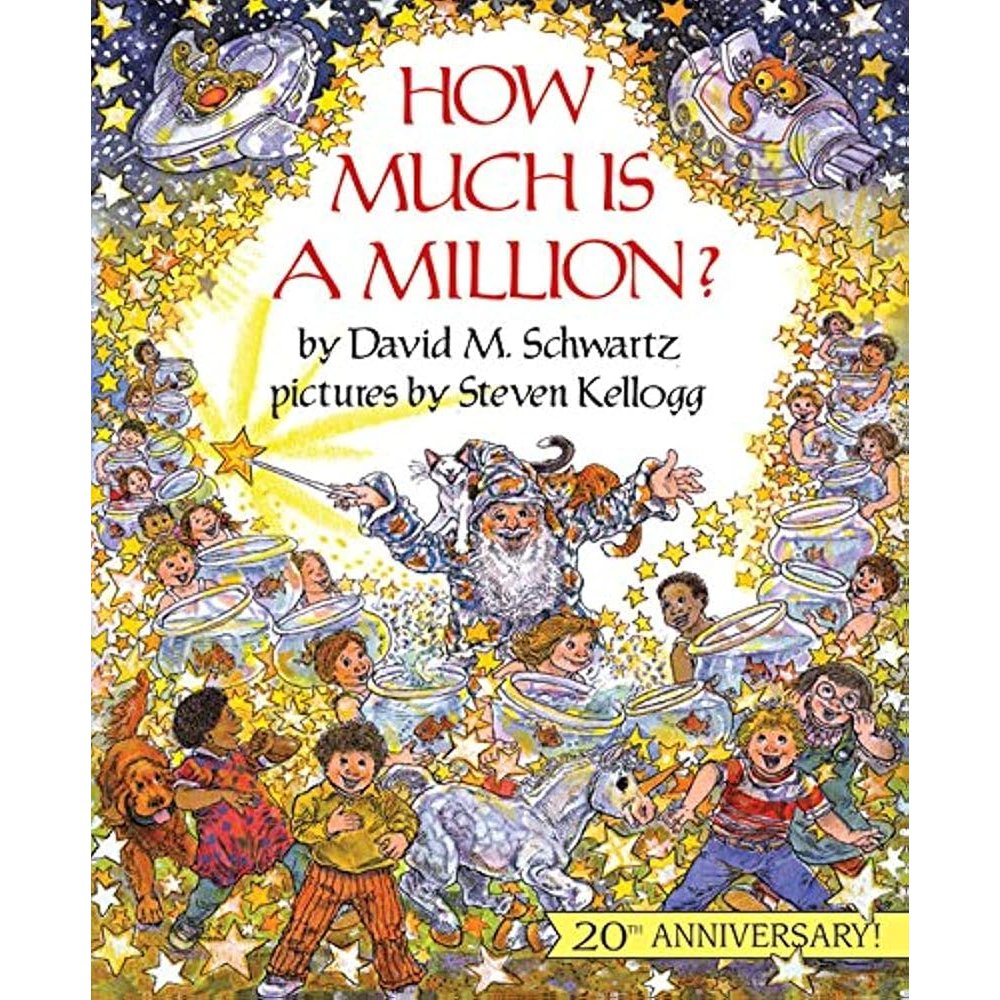
How Much Is a Million?
Best for: a first book about really big numbers
This is the book that comes before On Beyond a Million, so the two make a natural pair.
What it teaches: Scale. It shows how high a million kids standing on each other’s shoulders would reach and how long it takes to count to a million.
Why it’s still fun: Steven Kellogg’s busy pictures and a magician guide make it feel like a story first. It’s about $7.
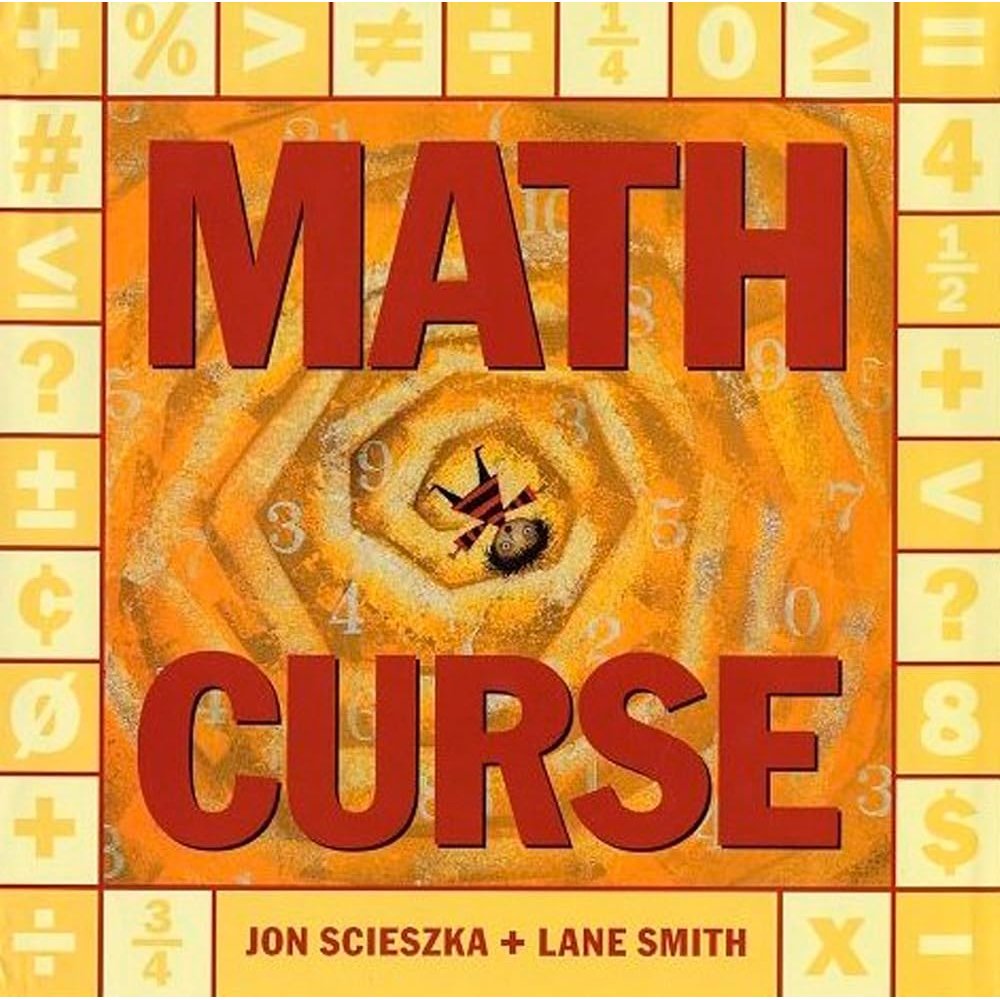
Math Curse
Best for: the kid who swears they hate math
A good pick for the kid who says math is boring.
What it teaches: Seeing math everywhere. Time, fractions, money and word problems all turn up in one ordinary school day.
Why it’s still fun: It may be the funniest math book there is. A kid wakes up cursed, and every moment of the day becomes a math problem. It’s about $10.
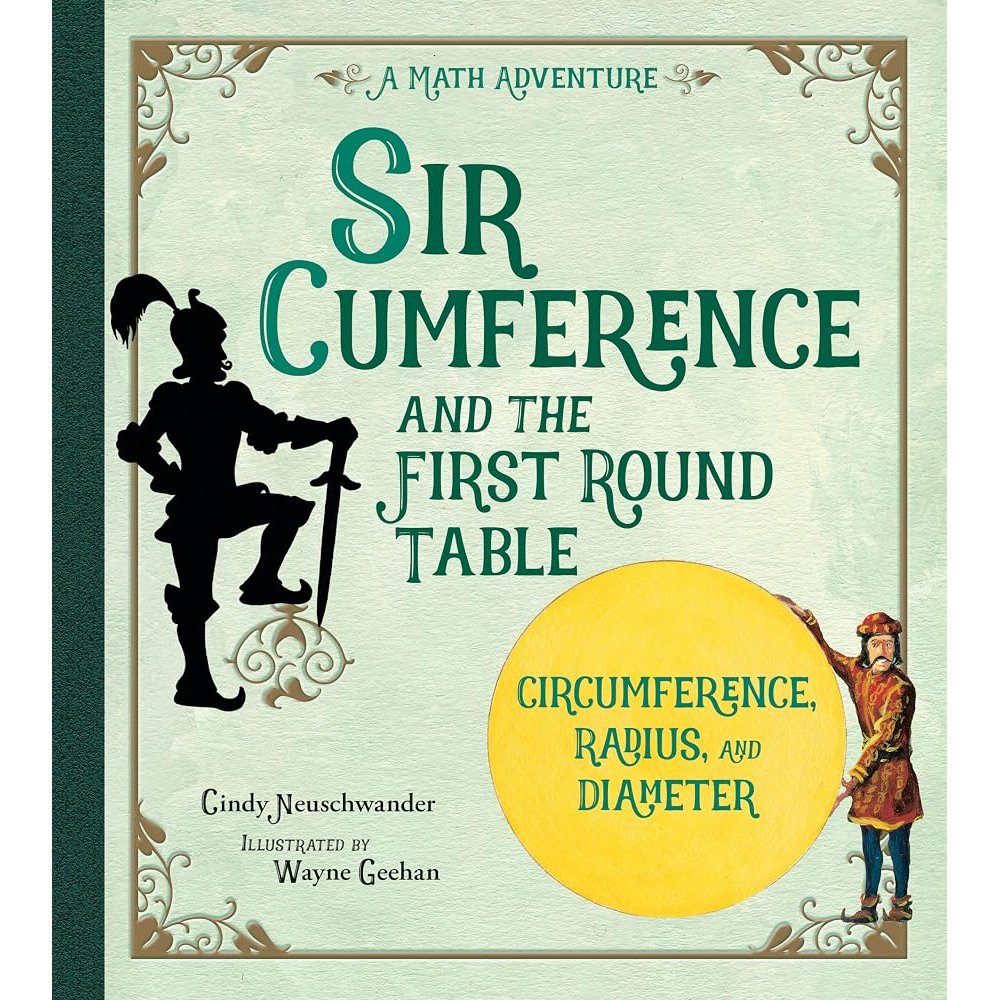
Sir Cumference and the First Round Table
Best for: kids who love knights and castles
This is the first book in a whole series.
What it teaches: Geometry words like circumference, diameter and radius, built into a story about King Arthur’s table.
Why it’s still fun: The knights have pun names, like Lady Di of Ameter and her son Radius, and there are more books once he’s hooked. It’s about $8.
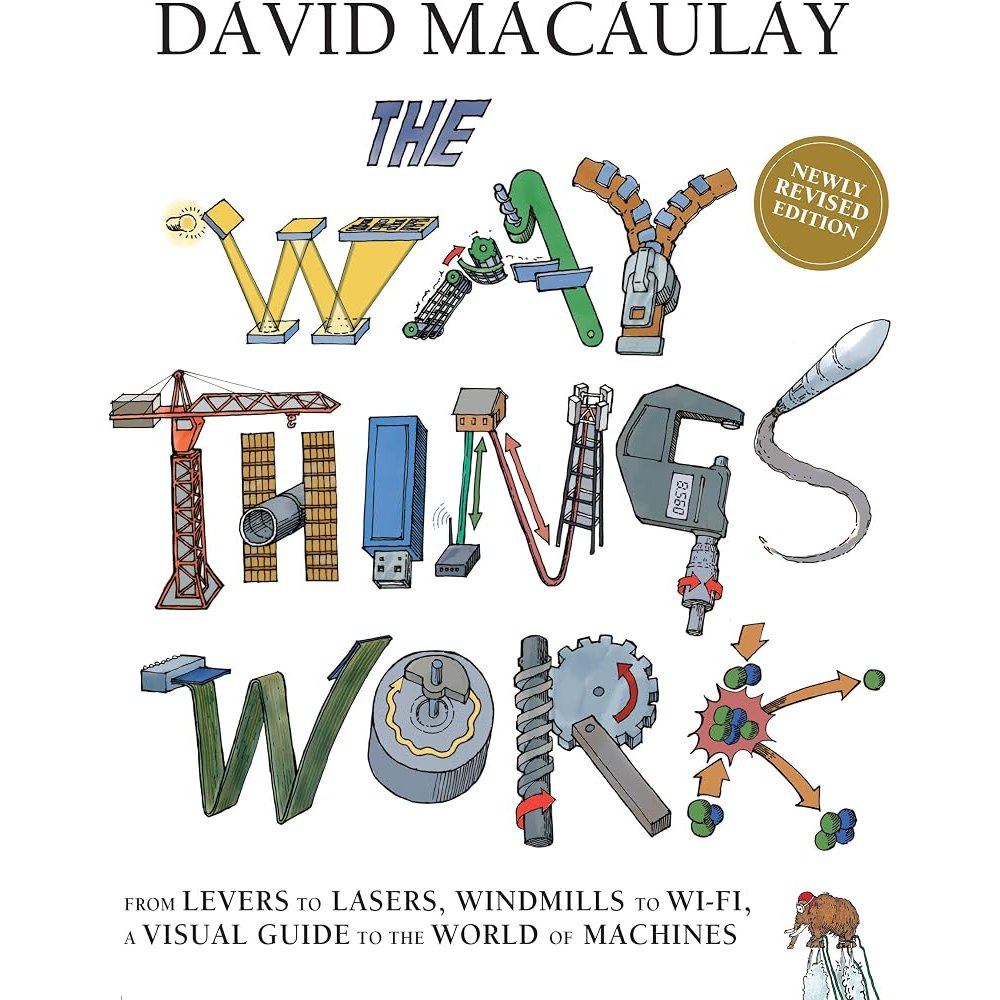
The Way Things Work, by David Macaulay
Best for: the kid who wants to know how everything works
This is the book for the kid who takes things apart.
What it teaches: How hundreds of machines work, from levers and zippers to computers, drawn out step by step.
Why it’s still fun: A woolly mammoth helps explain everything, and it’s a book an 8 year old will read alone for an hour. It’s about $14.
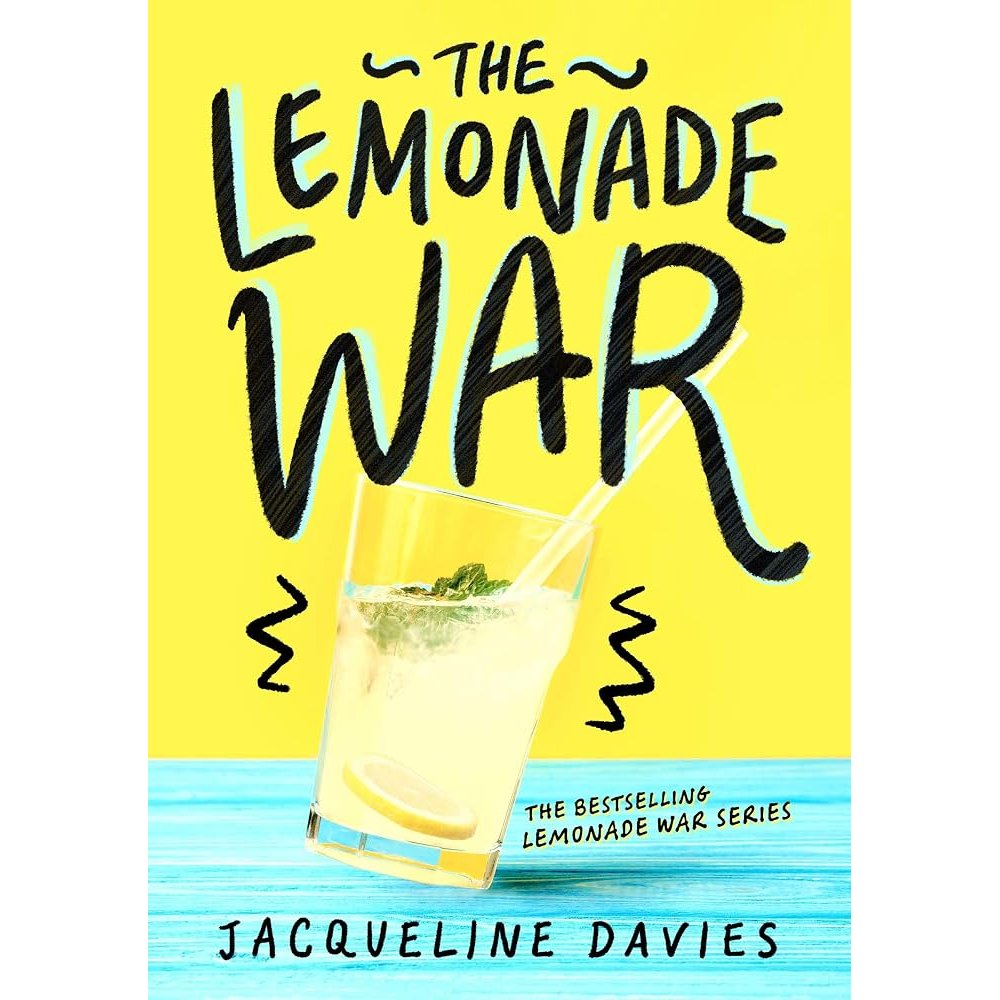
The Lemonade War, by Jacqueline Davies
Best for: a chapter book with math hiding inside
A great pick for a strong reader.
What it teaches: Money and business math, like profit and percentages, inside a story about a brother and sister competing with lemonade stands.
Why it’s still fun: It’s a real story with sibling drama, and each chapter opens with a business word. It’s about $6.
Educational Stocking Stuffers for 8 Year Olds
Every one of these is on the list above and costs about $15 or less, so they’re easy to tuck into a stocking:
- Flip 7, the $8 adding game
- Qwixx, a dice game for restaurant waits
- SET, our favorite game overall
- Bananagrams for spelling races
- Classic Kanoodle for about $10
- A Rubik’s Cube to master over winter break
- Guess in 10: Countries of the World for the geography kid
Educational Experiences and Non-Toy Gifts
A museum or zoo membership
We’ve done museum and zoo memberships, and a membership means you can go back as often as you want. A science center or natural history museum is a great fit for a curious 8 year old.
A kids workshop day
We’ve done the Home Depot Kids Workshop days, where kids build a small wooden project with real tools. It’s free, and 8 is a great age to start.
A subscription box
Little Passports is in the map section above, and we get the CrunchLabs Build Box every month. I’m sharing our full list of kids subscription boxes soon.
What I Don’t Buy for 8 Year Olds
These all show up on other lists. Here’s why I skip them at this age.
- Story Time Chess: It’s built for 4 and 5 year olds. One tester’s 7 year old finished it knowing how the pieces move but still couldn’t play a real game. No Stress Chess is the better start at 8.
- GeoSafari Jr. Talking Globe: It’s labeled 4 to 8, reviewers call it repetitive, and it often sells above its list price. Our LeapFrog globe is the better pick.
- Orboot Earth AR globe: The globe itself has no borders or country names, and the app doesn’t run on Fire tablets, which is what my kids use.
- 1200x kids’ microscopes: At that magnification the image is a dark blur. Lower power with good light is what specialists recommend.
- Department-store telescopes with huge magnification numbers: Wobbly mounts and fuzzy views. Astronomy forums say these put kids off for good.
- LEGO Mindstorms and LEGO Boost: Both are retired, but old praise keeps them on gift lists.
- Big K’NEX roller coaster sets: These are multi-day builds that parents end up finishing.
- Unbranded magnetic tiles from TikTok Shop: They’re lookalikes. Buy Magna-Tiles or PicassoTiles instead.
- Sum Swamp, My First Rush Hour and Rush Hour Jr.: We loved Rush Hour Jr. when the kids were younger, but these are too young at 8.
Conclusion: What Would I Actually Give an 8 Year Old?
For Westley, it’s maps every time, which is why our Puzzle People maps top this list. For any other 8 year old, I’d start with SumBlox or SET and add one building toy that matches what they’re into right now. Follow the obsession, and the learning takes care of itself.
Shopping for a specific kid? See my gifts for 8 year old boys and gifts for 8 year old girls guides. For an older kid, my gifts for 10 year old girls guide has more games and puzzles, and for younger siblings, start with my best gifts for 5 year olds.
Educational Toys for 8 Year Olds FAQ
The ones that ride an interest they already have. Our family top 5 is Puzzle People’s wooden map puzzles, SumBlox, SET, Sphero BOLT and anything from Mark Rober, and building toys like GraviTrax and Magna-Tiles are a safe bet for almost any 8 year old.
A toy is educational when the kid has to think to play it, like planning a move or figuring out why something didn’t work. The best ones give fast feedback, like a marble that misses the cup or a puzzle that says the state’s name when the piece goes in.
Yes, when they’re fun first. A learning toy that feels like homework gets shelved, and one that feels like play gets pulled out for months.
Most 8 year olds want games they can beat adults at, and they want to go deep on whatever they’re obsessed with right now. At our house that means maps and chess.
Map puzzles are the best place to start. We love the Melissa & Doug U.S.A. Sound Puzzle, the Imagimake foam maps and Puzzle People’s wooden maps. For games, Ticket to Ride and Scrambled States of America teach geography without feeling like a quiz.
For building, GraviTrax, KEVA planks and Snap Circuits hold up well at this age. For coding, start with Botley if you want no screens, and move to Sphero BOLT when they’re ready for an app.
Buy for the age they are now, not the age you hope they’ll grow into, and rotate. I keep out whatever Westley is playing with most and put the rest away for a while, so it feels new when it comes back.